

Key takeaways
- Best Overall seat cushion: Everlasting Comfort Memory Foam Seat Cushion
- Best gel and foam combination: ComfiLife Gel and Memory Foam Seat Cushion
- Best Budget thick foam: TranquilRelax 3-Inch Memory Foam Seat Cushion
- Best non-slip dining chair pads: Shinnwa Dining Chair Cushions, 4-pack
- Best cooling dining chair pads: SUNROX Cooling Gel Memory Foam Chair Cushions
- Best toilet seat cushion: Vive Toilet Seat Cushion, 2 inch foam
- Best DIY foam for custom covers: GoTo Foam 3 inch upholstery foam, 44 ILD firm
For most people, a memory foam seat cushion such as the Everlasting Comfort model is the safest all-round pick for a desk chair, while the Shinnwa non-slip U-shaped pad set is the easiest fix for dining chairs that keep sliding. This guide explains chair cushions in plain terms: which foam suits which job, which fabrics hold up, how to stop a cushion from sliding, how to protect floors with chair-leg pads, and where to buy standard, toilet-seat, window-seat and custom outdoor cushions. It is meant for readers who searched for “best type of foam to use for cushions” or “best solution to keep cushions from sliding” and want a clear answer, not a pile of product names.
This guide is research-based. We did not personally use these products; we read the listing details and maker descriptions and name specs only where the listings state them. Foam density and firmness figures are quoted only where a listing gives one, and otherwise marked “not listed”. For back, hip or tailbone pain, or after surgery, ask a doctor or physical therapist before relying on any cushion.
Our top picks


As an Amazon Associate we earn from qualifying purchases at no extra cost to you.
Top Picks at a Glance
- Best Overall seat cushion: Everlasting Comfort Memory Foam Seat Cushion
- Best gel and foam combination: ComfiLife Gel and Memory Foam Seat Cushion
- Best Budget thick foam: TranquilRelax 3-Inch Memory Foam Seat Cushion
- Best non-slip dining chair pads: Shinnwa Dining Chair Cushions, 4-pack
- Best cooling dining chair pads: SUNROX Cooling Gel Memory Foam Chair Cushions
- Best toilet seat cushion: Vive Toilet Seat Cushion, 2 inch foam
- Best DIY foam for custom covers: GoTo Foam 3 inch upholstery foam, 44 ILD firm
Comparison Table
| Product | Best for | Key specs as listed | Watch for | Price tier |
|---|---|---|---|---|
| Everlasting Comfort seat cushion | Office chair, car seat | Memory foam; ergonomic shape for desk and car | Thickness and firmness not listed here | Mid-range |
| ComfiLife gel and memory foam | Long sitting, warm rooms | Gel plus memory foam; lifting design for office and car | Gel layer can feel firm at first | Mid-range |
| TranquilRelax 3-inch | Hard chairs, budget | 3 inch memory foam; medium-firm support; washable cover | Tall cushion raises seat height | Budget |
| Shinnwa 4-pack | Dining chairs | Non-slip bottom; U-shaped; set of 4; 15 x 16 inch size listed | Measure your seat first | Budget to Mid-range |
| SUNROX cooling gel | Dining chairs, warm climates | 2.6 inch thick; U-shaped; dual-layer; non-slip | Thickness changes table height | Mid-range |
| Vive toilet seat cushion | Padded toilet seat comfort | 2 inch foam; fits elongated and standard seats | Check how it attaches and cleans | Mid-range |
| GoTo Foam 3 x 24 x 72 | DIY and outdoor cushion cores | 3 inch height; 44 ILD firm; made in USA per listing | You cut and cover it yourself | Mid-range |
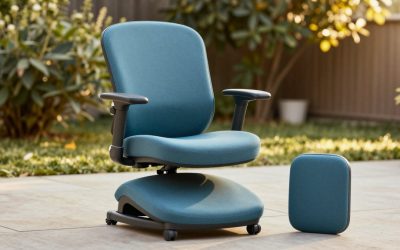
1. Everlasting Comfort Memory Foam Seat Cushion: Best Overall
- Foam type: memory foam
- Intended use: office chairs and car seats
- Design: ergonomic, desk accessory
- Claims on the listing: doctor recommended; we do not verify that claim and treat it as marketing
- Thickness, density and cover material: not listed in our source
Best for: general desk and car use. Skip if: you need a very firm base, or you run warm and prefer a cooling gel layer.
Memory foam conforms to the body and spreads pressure, which is why it dominates the seat cushion category. It is also temperature-sensitive: it can feel firmer in a cold room and softer when warm. For a standard chair, a mid-thickness memory foam cushion is the baseline everything else gets compared with.
A cushion raises you slightly, so check that your feet still rest flat and your arms still reach the desk comfortably. If you notice knees higher than hips, the cushion is too thick or your chair seat is too short.
Pros: pressure spreading; widely sold; works in car and office. Cons: can feel warm; details like density are not listed in our source.
2. ComfiLife Gel and Memory Foam Seat Cushion: Best Gel and Foam Combination
- Construction: gel and memory foam
- Intended use: office chair, car seat
- Design: lifting cushion
- Maker claim: doctor recommended (marketing claim, not verified here)
- Cover and dimensions: check the maker page
Best for: people who sit for hours and want some cooling feel. Skip if: you like a very soft, sinking seat.
Gel layers are added to help with heat; they do not change the basic structure, which is still a foam body. The layered build tends to feel firmer than pure memory foam on day one, and it gives a more even surface. If your complaint is warmth rather than hardness, this type of cushion is worth the extra cost.
Pros: gel layer for cooler feel; supportive; works in cars too. Cons: costs more; firmer feel.
3. TranquilRelax 3-Inch Memory Foam Seat Cushion: Best Budget Thick Foam
- Thickness: 3 inch
- Foam type: memory foam, medium-firm support per the listing
- Cover: washable, per the listing
- Size: large
- Non-slip base: check the listing photos
Best for: hard chairs, budget shoppers, kitchen or home-office use. Skip if: your chair is already low or your desk height is fixed.
Thickness is the main lever with a seat cushion. Three inches gives a clear comfort boost on a hard chair, but it also raises your seat height. On a fixed-height desk, that can push your knees up and your shoulders toward your ears. A removable washable cover is useful for any cushion you use daily.
Pros: thick; low cost; washable cover. Cons: raises seat height; may need an anti-slip liner on slick seats.
4. Shinnwa Dining Chair Cushions, 4-Pack: Best Non-Slip Dining Pads
- Pack: set of 4
- Design: U-shaped, indoor chair pads
- Grip: non-slip bottom
- Size listed: 15 x 16 inch on the version we saw; other sizes exist
- Foam thickness: not listed in our short source
Best for: kitchen and dining chairs that slide. Skip if: your chairs have very contoured seats where flat pads will not sit evenly.
The non-slip underside is the whole point here: a textured or rubberized bottom grips wood or vinyl seats, so the pad stays in place when you get up and sit down. The U-shaped cut-out is meant to fit around the back posts of many dining chairs. Measure the depth and width of your seat, not the chair frame, before ordering, and be aware that cushions set slightly smaller than the seat look neat and slide less than oversize ones.
Pros: grip; set of four; easy to match. Cons: flat foam; size must match.
5. SUNROX Cooling Gel Memory Foam Chair Cushions: Best Cooling Dining Pads
- Thickness: 2.6 inch per the listing
- Design: U-shaped, dual-layer foam
- Material: cooling gel memory foam
- Grip: non-slip seat cushions
- Pack size and dimensions: check the maker page
Best for: long dinners and homework at a dining table, or warm climates. Skip if: your table is low, because thick cushions reduce leg clearance.
Thicker is not always better at a table. A 2.6 inch pad adds enough height to affect how your knees fit under the table apron, and it also changes how far you sit from the table. Test one cushion on one chair before buying a set.
Pros: thick; cooling gel layer; non-slip. Cons: changes seat height; higher cost than flat pads.
6. Vive Toilet Seat Cushion, 2-Inch Foam: Best Toilet Seat Cushion
- Thickness: 2 inch
- Material: ultra-soft cushioned foam
- Fit: listed to fit elongated and standard toilet seats
- Color: white
- Attachment and cover details: check the maker page
Best for: people who find a bare toilet seat uncomfortable. Skip if: you need a raised seat for mobility reasons; that is a different product and a conversation for an occupational therapist or doctor.
A padded toilet seat cushion is a comfort accessory, not a mobility aid. It should be easy to wipe clean, stay put without sliding and fit your seat shape; check how it attaches before buying. If someone is using it because of pain, recovery or reduced mobility, talk to a health professional about whether a raised seat or other equipment would be safer.
Pros: soft; fits most seats; easy to add. Cons: attachment varies by model; not a mobility device.
7. GoTo Foam 3-Inch Upholstery Foam, 44 ILD Firm: Best DIY Foam
- Size: 3 inch high by 24 inch wide by 72 inch long
- Firmness listed: 44 ILD (firm)
- Origin listed: made in USA
- Use: cut to size for chair, bench or window-seat cushions
- Foam material (polyurethane, HR, etc.): check the maker page
Best for: DIY cushions, window seats, outdoor benches with a cover you sew or buy. Skip if: you do not want to cut and cover foam yourself.
ILD stands for indentation load deflection, a measure of how much force it takes to compress foam by a set percentage; a higher number means firmer foam. A 44 ILD slab sits in the firm range, which suits seats you sit on every day, because softer foam bottoms out. Because this one is a cut-to-size slab, it is how you make a custom size without paying a made-to-order premium. Score the foam with an electric carving knife or a long serrated knife, and plan the cover with a zipper so you can wash it.
Pros: custom size; stated firmness; wide choice of thickness. Cons: needs cutting and a cover; indoor foam needs a weather-resistant cover and drainage outdoors.
Also Consider
- ROFIELTY Custom Bench Cushion: listed as custom size and shape for indoor and outdoor furniture and window seats, in 200+ colors. A good fit if you want a made-to-measure cushion without sewing.
- Blazing Needles Twill Tufted Bench Cushion, 60 x 19 inch: a ready-made option for long benches and window seats.
- X-Protector Felt Furniture Pads, 48 pieces, 1 inch: self-stick felt for chair legs on hard floors.
- VIUME 24-piece silicone chair leg floor protectors with felt pads: cap-style protectors that stay on better than loose stick-on felt.
- MIULEE 18 x 18 throw pillow inserts: inexpensive inserts for decorative throw cushions.
How We Chose
We started from the questions in the search data: foam type, fabric choice, sliding, floor protection, toilet seat comfort, window seats, throw cushions and custom outdoor options. We then picked one product per job from listings that state the key detail, such as thickness, non-slip bottom or ILD firmness. We read listing details, maker descriptions and independent consumer guides on foam and fabric. We did not personally use these products, and we avoid prices, saying only budget, mid-range or premium. Where a spec was not stated, we wrote “not listed”.
Buying Guide: Foam, Fabric, Grip and Fit
Foam types explained
Polyurethane foam is the standard: affordable, available in many firmness levels and used in most seat cushions. High-resilience (HR) polyurethane is denser, springs back faster and usually lasts longer. Memory foam is viscoelastic; it contours to your shape and returns slowly. Latex is springy and durable but costs more. Gel is usually a layer or infusion added to foam for a cooler feel. For the best type of foam for chair cushions in daily use, a medium-firm to firm polyurethane or HR foam is the usual recommendation, with memory foam added on top when you want contouring. We do not state a density figure for any product unless the listing gives one.
How to read ILD and thickness
ILD describes firmness; density describes weight per volume and relates to durability. Seat cushions you sit on all day usually work better firmer and thicker than back cushions. A rough guide is 2 to 3 inches for a dining or office seat, and 4 inches or more for sofa-style seats. A cushion thicker than the foam can support will compress to nothing, so thin, soft foam is a poor choice for heavy daily use.
Fabric choices for chair cushions
For indoor seats, cotton and cotton blends feel natural and wash well, polyester and microfiber resist wear and stains, and velvet looks good but shows marks. Tight weaves such as twill and canvas hold up better in high-use dining chairs. For the best fabric for covering seat cushions in a kitchen, a washable cotton-poly blend or a wipeable coated fabric is practical. For outdoors, look for solution-dyed acrylic or olefin fabrics sold as fade- and mildew-resistant, and a cover with a zipper so you can wash it. Foam inside an outdoor cover still needs to dry, so choose reticulated or quick-dry foam or bring cushions in during rain.
How to keep cushions from sliding
Start with the cheapest fixes: ties at the back posts, a non-slip bottom, or a sheet of rubber shelf liner cut to size and placed under the cushion. Hook-and-loop strips or double-sided tape also work, though tape can mark finishes, so test a hidden spot first. Choose a cushion that is only slightly smaller than the seat; oversize pads curl and shift. Pads with a non-slip underside, like the Shinnwa and SUNROX models above, solve this at purchase.
Chair-leg cushions for laminate and hardwood
For the best chair leg cushions on laminate flooring, felt pads suit hard floors in low-traffic areas, and silicone or rubber caps with a felt base hold in place better on chairs that are dragged often. Whichever you choose, brush grit from the pad regularly, since trapped sand scratches floors, and replace worn felt before it wears through. Measure your leg width and shape, round or square, before you order, so the cap fits tightly.
Where to buy: standard, custom outdoor and window seat cushions
Ready-made cushions are easiest for standard sizes. Online sellers offer made-to-measure cushions for window seats and outdoor furniture with fabric choices and thickness options, usually with a longer wait. Local upholstery and foam shops will cut foam to size and may sew covers. DIY is cheapest if you can sew a simple box cover. For custom outdoor chair cushions, choose the fabric first, then foam type, then ties and zipper placement, and send accurate measurements of the seat, not the old cushion.
Throw cushions
For throw cushions, the cover and the insert are separate decisions. A 20-inch insert in an 18-inch cover looks fuller. Down-alternative polyester inserts are washable and inexpensive, while feather inserts hold shape and fluff differently. Choose covers with a hidden zipper so you can wash or swap them with the seasons.
A quick word on whoopie cushions
Yes, people search for the best whoopie cushions. They are a novelty item and not a chair cushion; if you are buying one for a party, simply pick a durable, well-sealed one and keep it off the seat of anyone who needs their chair.
A worked example: measuring a dining chair seat
Measure the seat itself with a tape: width across the front edge, width across the back, and depth from the front edge to the back posts. Say you get 16 inches front, 14 inches back and 15 inches deep. A cushion listed at 15 x 16 inches fits this seat with a small margin at the sides, which is what you want, since pads sized 1 inch under the seat edge sit flat and slide less. Round your numbers to the nearest half inch, write them on the box lid if you are ordering a set, and compare them with the listing’s dimensions rather than the chair’s catalog size. If the seat is tapered or has a curved front, choose a U-shape or a tie-on cut that follows the shape, or plan to trim the foam yourself.
Care and replacement: how long cushions last
Foam cushions flatten with use. Daily-use seat cushions often need replacing after a few years, and you will notice it when the foam no longer rebounds after you stand up, when the surface dips in the middle, or when you feel the chair seat through the pad. Washable covers help, but most foam cores should not go in a washing machine; spot clean the foam, air it out in the shade and wash the cover according to its care tag. Rotating dining cushions between chairs evens out wear. If the cover fades or tears but the foam is fine, a new cover on the old foam is the cheapest fix.
Safety, allergy and comfort notes
New foam cushions can have a mild odor for a few days; airing them out in a ventilated room helps. If you have allergies or sensitivities, read the product’s material and certification details, and ask your doctor about specific materials. If you are choosing a cushion because of back, hip or tailbone pain, remember that a cushion is a comfort tool, not a treatment, and a physical therapist can help with seating position and posture. For children’s chairs and booster seats, follow the chair or booster maker’s guidance and avoid adding thick cushions that might make the seat unstable.
Common Mistakes
- Ordering a cushion by chair size instead of seat size.
- Buying a very thick cushion for a fixed-height desk or table.
- Using indoor foam outdoors without a drainage-friendly cover.
- Skipping felt or silicone on chair legs on hard floors.
- Trusting a “doctor recommended” label as proof of medical benefit.
Frequently Asked Questions
What is the best type of foam to use for cushions?
Medium-firm to firm polyurethane or high-resilience foam is the usual choice for everyday seats, with memory foam layered on top when you want contouring. Softer foam compresses fast under daily use.
What is the best fabric for covering seat cushions?
For indoor chairs, a tight-weave cotton blend, twill or microfiber is a practical choice, and a zippered cover makes washing easy. For outdoors, solution-dyed acrylic or olefin is commonly chosen for fade and mildew resistance.
What is the best solution to keep cushions from sliding?
Use a cushion with a non-slip bottom or ties, or place rubber shelf liner under it. Match the cushion size to the seat, because oversize pads shift.
What chair-leg cushions are best for laminate floors?
Felt pads work well on low-traffic chairs, while silicone caps with felt bases stay in place better on chairs that move often. Clean the pads regularly to prevent scratches from grit.
Where can I buy custom outdoor chair cushions?
Look for sellers that offer made-to-measure outdoor cushions with fabric and thickness options, or buy foam and make covers yourself. Always check the fabric’s outdoor rating and the maker’s care guide.
Do toilet seat cushions help with comfort?
They can make a seat feel softer, but they are a comfort accessory, not a medical device. If you need extra height or support, ask a doctor or occupational therapist about raised seats.
What is the best window seat cushion?
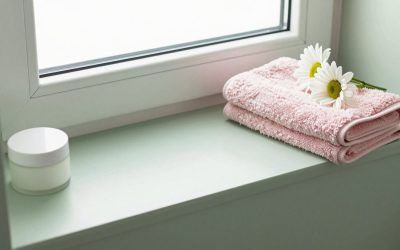
A firm foam core, 3 to 4 inches thick, with a washable cover and non-slip backing is a solid choice. Custom sizing matters because window seats are rarely a standard width.
Which One Should You Buy?
Choose the Everlasting Comfort or ComfiLife cushion for desk and car, the TranquilRelax 3-inch for a budget thick pad, Shinnwa or SUNROX for dining chairs, the Vive for toilet seats and GoTo Foam if you are making custom cushions. Add felt or silicone leg pads if the chair sits on a hard floor. Measure first, buy one to try, then buy the set.
Sources
- Everlasting Comfort, ComfiLife, TranquilRelax, Shinnwa and SUNROX product pages
- Vive Health product page for toilet seat cushions
- GoTo Foam product page for upholstery foam
- Consumer foam and upholstery guides on ILD and density
- Outdoor fabric maker guides on acrylic and olefin fabrics
Last updated: October 2026
More from Amazon
Programs that pair well with the guide above. Offers and eligibility are set by Amazon and may change.
Set up recurring deliveries of everyday items on eligible products. Terms and savings are set by Amazon.
Explore Subscribe & SaveFree shipping on eligible items, Prime Video and more. Eligible new members can start with a free trial.
Start a Prime free trialA Prime membership for ages 18-24 with a trial period. Eligibility is set by Amazon.
See Prime for Young AdultsAudiobooks and podcasts to listen to on the go. Eligible new members can start with a free trial.
Try Audible freeAs an Amazon Associate we earn from qualifying purchases.



Write Your Review
No reviews yet. Be the first to share your experience!