

Key takeaways
- Buy a gaming chair if you want a bold, bucket-style seat with a high back and a headrest for long sessions at a desk.
Buy a gaming chair if you want a bold, bucket-style seat with a high back and a headrest for long sessions at a desk; buy an office chair if you want finer adjustment, lighter looks and breathable materials for a full workday. The honest answer is that the label matters less than the fit, so the real question is which design matches your body, your room and your daily hours.
This guide walks through where the two categories genuinely differ, where the marketing blurs them together, and how to decide in a few minutes with a short checklist. It is written for shoppers who split their time between work, school and play at one desk and do not want to buy twice in 2026.
The Short Answer
Most buyers fall into one of three camps. If you sit mainly to game or stream, a gaming chair’s racing-style shape, bolsters and neck pillow are built around that posture. If you sit mainly to work, type and attend calls, an office chair usually offers more precise lumbar and armrest control. If you do both for many hours, the deciding factor is adjustability, not branding, and either type can win when it has the right features.
Keep in mind that both categories range from flimsy to excellent. A well-built office chair will outperform a poorly built gaming chair, and the reverse is also true. Judge the individual chair, not the category name.
Where the Two Designs Actually Differ
Shape and Support
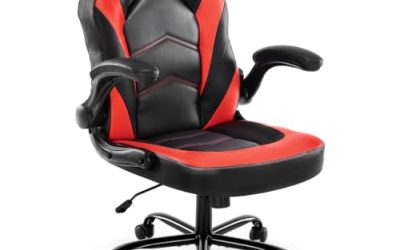
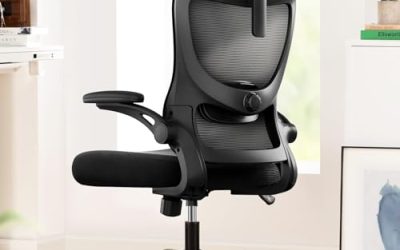
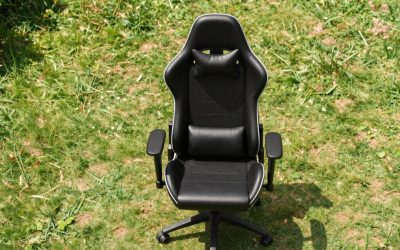
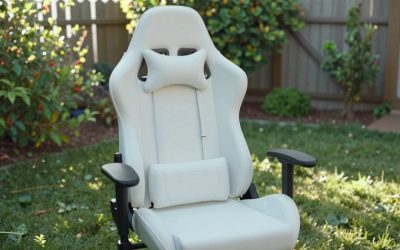
Gaming chairs typically use a tall, contoured back with side bolsters that hug the torso, plus a detachable neck pillow and lumbar cushion. That shape feels snug and encourages an upright, forward-facing posture. Office chairs more often use a flatter or gently curved back with built-in lumbar support that moves up and down, so the support can meet your lower back rather than sitting wherever a strap puts it.
Bolsters can feel supportive for some builds and restrictive for others, especially for broader shoulders or hips. If you like to shift, cross your legs or sit sideways, wide open seat pans and slim backs tend to feel less confining.
Adjustability
This is the biggest practical gap. Look for seat height, seat depth, backrest tilt with a lock, armrest height, armrest width and armrest angle. Many entry-level gaming chairs offer height, recline and basic arm height, while a good office chair may add seat depth, adjustable lumbar and synchronized tilt. Every extra adjustment is one more way to fit the chair to you instead of the other way around.
Seat depth deserves special attention. When the seat is too deep, you either slide forward and lose back support or press the front edge into the back of your knees. When it is too shallow, your thighs go unsupported.
Materials and Breathability
Gaming chairs lean on faux leather, which wipes clean and looks sleek but can feel warm in summer rooms. Fabric and mesh are also common in both categories. Mesh backs on office chairs keep air moving and suit warm climates; foam-padded faux leather suits cooler rooms and buyers who prefer a plush feel. Consider your climate, whether you wear shorts at home, and how much you value easy wipe-downs.
Looks, Size and Room Fit
Gaming chairs make a statement with color blocking, stitching and logos. That suits a dedicated game room and can look out of place in a shared home office. Office chairs blend into most spaces. Also measure your doorway, your desk clearance and the floor under the chair: a tall headrest can clash with a sloped ceiling, and casters that suit carpet may mark hard flooring.
Gaming Chair vs Office Chair at a Glance
| Factor | Gaming chair | Office chair |
|---|---|---|
| Typical back shape | Tall, bucket-style with side bolsters | Flatter or gently curved, often narrower |
| Lumbar support | Often a removable cushion | Often built in and adjustable |
| Head support | Neck pillow or integrated headrest is common | Optional on many models |
| Adjustment range | Good on higher-end models, basic on budget ones | Wider range on well-equipped models |
| Common materials | Faux leather, fabric | Mesh, fabric, leather |
| Warmth in hot rooms | Can run warm with solid upholstery | Cooler with mesh backs |
| Style | Bold and themed | Neutral and professional |
| Best fit | Long gaming and streaming sessions | Mixed work, study and calls |
Build Quality and Long-Term Wear
Quality tiers hide big differences in what is under the cover. Compare the frame (steel or reinforced plastic), the gas lift class that is listed, the base material (metal bases generally outlast nylon ones under heavy daily use), and the caster quality. Padding density matters as much as thickness: soft foam feels great in a showroom and flattens within months, while firmer cold-cure foam holds shape longer.
Upholstery is the most visible failure point. Faux leather can crack or peel after years of sweat and sunlight, mesh can sag if the tension is poor, and fabric can pill or stain. Check whether covers are described as replaceable and whether the maker lists a warranty on the frame, the lift and the upholstery separately. A short warranty on the cover paired with a long one on the frame tells you where the maker expects wear.
Noise is another small factor. Squeaks usually come from loose bolts, dry tilt mechanisms or hard casters on hard floors, and most are fixable with a tightening session and a touch of lubricant. Still, a chair that creaks from the first week is worth returning.
A Practical Way to Decide in Ten Minutes
If you cannot try the chairs in person, build a quick scorecard at home. List your desk height, the hours you sit each day and the three things you dislike about your current seat. Then score each shortlisted chair from one to five on fit range, breathability, adjustability, looks and warranty, and give extra weight to whichever factor annoys you most today. A chair that wins on the factor you care about will usually feel better in daily use than one that wins on the most features.
Do not forget accessories. Footrests, lumbar rolls and mat protectors can improve a decent chair for little extra effort, but they should not be used to rescue a chair that simply does not fit.
Who Should Choose Which
Choose a Gaming Chair If
You sit mostly in one forward-facing posture, enjoy a recline for breaks, want a headrest, and like the look. Confirm that the armrests and the seat height go low enough or high enough for your desk.
Choose an Office Chair If
You work through the day, need finer lumbar control, share the room with others, or run warm. Look for mesh or breathable fabric and a seat that adjusts in depth.
Choose Either If
You split your time between work and play. In that case, shortlist two or three chairs, ignore the category, and compare adjustment lists side by side.
Before You Buy Checklist
- Measure your height and the distance from floor to your desktop, then compare with the listed seat-height range.
- Check the listed weight capacity and seat width against your build, leaving some margin.
- Count the adjustments: seat height, depth, tilt lock, armrest height, width and angle.
- Confirm the upholstery suits your room temperature and cleaning habits.
- Look at the base material and caster type, and match casters to your flooring.
- Read the return and warranty terms before assembly, since a chair is hard to judge in a few minutes.
Related guides
- How To Measure For A Recliner Before You Buy
- Armless Office Chairs For Small Spaces
- Accent Chairs For Small Living Rooms
Frequently Asked Questions
Are gaming chairs bad for your back?
Not by definition. A chair is only as good as its fit and how often you change position. If you have ongoing back pain, talk to a healthcare professional about seating rather than relying on any chair label.
Is an office chair good enough for gaming?
Yes, for most people. Office chairs offer the same core features, and many have enough recline for relaxed play. You may miss the built-in headrest, but you can usually add one if you want it.
Do I need a headrest?
Only if you recline often or like to rest your head while watching or thinking. Upright typists seldom touch it. Choose a model where it can be removed or repositioned.
How long should a chair last?
That depends on materials, weight load and daily hours. Look for replaceable parts, a stated warranty length and a solid base. Peeling faux leather is the most common wear complaint, so check how the cover is described.
More from Amazon
Programs that pair well with the guide above. Offers and eligibility are set by Amazon and may change.
Set up recurring deliveries of everyday items on eligible products. Terms and savings are set by Amazon.
Explore Subscribe & SaveFree shipping on eligible items, Prime Video and more. Eligible new members can start with a free trial.
Start a Prime free trialA Prime membership for ages 18-24 with a trial period. Eligibility is set by Amazon.
See Prime for Young AdultsAudiobooks and podcasts to listen to on the go. Eligible new members can start with a free trial.
Try Audible freeAs an Amazon Associate we earn from qualifying purchases.


Write Your Review
No reviews yet. Be the first to share your experience!