

Key takeaways
- Fabric: UV damages cheap polyester; store out of the sun.
- Rust: dry steel frames before storing.
- Stitching: inspect seams near the arm-rest before each season.
- Sinking: use wide feet or a small mat on soft ground.
- Cup holder: they can tear; do not hang heavy items.
The best camping chair for most people is a folding quad chair with a steel or aluminum frame, a 300 pound or higher rating, a built-in cup holder, and a packed weight under 10 pounds. If you hike to your campsite, a lightweight packable chair under 3 pounds is the better fit, and for long evenings at a fixed site, a padded rocker or a high-back recliner earns its extra weight.
Our top picks


As an Amazon Associate we earn from qualifying purchases at no extra cost to you.
Quick Comparison of Camping Chair Types
| Pick | Best for | Weight | Capacity | Price tier |
|---|---|---|---|---|
| Folding quad chair | Best overall, car camping | 6-10 lb | 300-350 lb | Budget to mid |
| Ultralight packable chair | Best for backpacking | 1-3 lb | 200-300 lb | Mid to premium |
| Padded rocking camp chair | Best for comfort at base camp | 10-15 lb | 250-300 lb | Mid |
| Oversized heavy-duty chair | Best for larger users | 10-16 lb | 400-500 lb | Mid |
| Low-profile beach and festival chair | Best for sand and music events | 3-6 lb | 250-300 lb | Budget |
Best Overall: Folding Quad Chair
A quad chair uses a four-leg frame and a fold in half design, like the familiar Coleman and Kelty styles. Steel frames are tough and cheap, aluminum frames shed weight. Seat height of 17 to 19 inches makes it easy to stand up. A mesh back or drink holder is a nice extra.
Main trade-off: they take space in a car trunk and have limited recline. Steel frames can rust if packed away wet.
Best for Backpacking: Ultralight Packable Chair
These chairs, offered by Helinox and Kelty among others, pack down to the size of a water bottle. A weight of 1 to 3 pounds is possible because they use aluminum poles and ripstop fabric. The trade-off is seat height (often 12 to 14 inches) and a lower weight rating than car-camping chairs.
Best for Comfort: Padded Rocking Chair
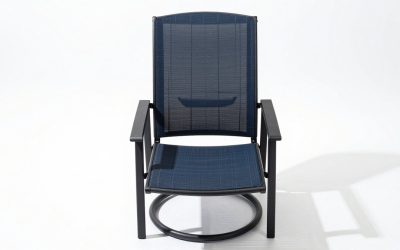
A rocking camp chair has thick padding, arm rests and a curved base. It is heavy at 10 to 15 pounds and needs flat ground. For campfire evenings, it is the closest thing to a living room seat.
Best for Heavy-Duty Use: Oversized Chair
Oversized chairs have 24 to 28 inch seat widths and 400 to 500 pound ratings. Look for a double-stitched fabric and thick steel tubing. They are bulky but safer for larger users.
Best for Sand and Festivals: Low-Profile Chair
Low chairs sit 6 to 10 inches off the ground, which is stable on sand but harder to get out of. Wide feet keep them from sinking.
How to Choose by Numbers
Decide how far you carry the chair. Per manufacturer spec sheets, a chair over 8 pounds is fine from the car, but beyond a quarter mile, every pound matters.
| Use case | Max weight | Packed length | Seat height |
|---|---|---|---|
| Car camping | 10 lb | 32-38 in | 17-19 in |
| Backpacking | 3 lb | 14-20 in | 12-14 in |
| Tailgating and sports | 8 lb | 30-36 in | 17-19 in |
| Beach and festival | 5 lb | 24-30 in | 6-12 in |
Worked example: a group of four with 8 pound chairs adds 32 pounds to the car. If two of them hike a mile, swapping to 2.5 pound chairs trims 22 pounds of carry.
Ownership Realities
- Fabric: UV damages cheap polyester; store out of the sun.
- Rust: dry steel frames before storing.
- Stitching: inspect seams near the arm-rest before each season.
- Sinking: use wide feet or a small mat on soft ground.
- Cup holder: they can tear; do not hang heavy items.
How to Choose a Camping Chair Step by Step
Camping chairs look similar in photos but behave very differently after a long weekend. Walking through a short sequence of decisions keeps you from buying the wrong style for your trips.
- Start with how you travel. If the chair rides in a car and moves ten steps to the fire, weight hardly matters. If you carry it on your back, every ounce counts.
- Decide how long you sit. A chair for a quick lunch break can be minimal. A chair for hours around a fire needs back support, arm rests and padding.
- Think about the ground. Hard, level ground suits most designs. Sand, grass and uneven sites need wide feet or a low profile.
- Check your body size. Look at the seat width, the weight rating and the seat height. A chair that is too narrow or too low becomes tiring quickly.
- Choose the frame material. Steel is sturdy and affordable, aluminum is lighter. The right pick follows from your carrying style.
- Pick the extras that you will use. A cup holder and a side pocket are handy. Built-in coolers and mesh backs add comfort, but add weight too.
If your trips vary, consider owning two chairs. A sturdy quad chair for the car and a packable one for hikes will cover almost everything.
Who Should Skip Certain Camping Chairs
Every chair type has someone it does not suit, and knowing this keeps you from regretting a purchase halfway through a trip.
- Backpackers who want maximum comfort. A heavy quad or rocking chair is a poor fit on a trail. The ultralight style trades comfort for weight on purpose, so accept that or sit on a log.
- Anyone who struggles to stand from a low seat. Low-profile beach chairs and ultralight models sit close to the ground. A taller quad chair with arm rests is easier to get out of.
- Campers on soft or sloping ground. Rocking chairs need level, firm ground and can tip on slopes. They also sink on sand.
- Small car owners. Oversized and rocking chairs take real trunk space. Measure the packed length before you order.
- People who like to move the seat around. Heavy chairs are awkward to reposition. If you shift between shade and sun, choose something lighter.
- Frequent rain campers. Padded fabric stays wet for ages. A mesh or quick-dry chair may suit damp climates better.
The wrong chair is rarely a bad product. It is usually a good product used in the wrong setting.
Fit, Setup and Compatibility Checks
Packed size and your storage
Check the folded length against your trunk, your garage shelf and any carrying bag. A chair that barely fits will be left at home. If you travel with several people, think about how the chairs stack together with other gear.
Seat height and getting up
Sit in the chair, if you can, or compare the stated seat height to a chair you know. Lower seats feel relaxed but are harder to rise from. Choose according to the hardest person in your group to please.
Arm rest height
Arm rests should support your forearms without lifting your shoulders. Too low and they feel pointless, too high and they hunch you. For people who like to eat in the chair, arm rests also hold a plate or mug more reliably.
Cup holders and pockets
Think about what you actually carry. A cup holder sized for a standard can may not fit a wide insulated bottle. Pockets are useful for a phone and keys, though heavy loads can pull the fabric out of shape.
Practice setup at home
Open and close the chair a few times in the yard before the trip. Some designs snap shut with fingers in the way, and a first trial at the campsite after dark is a poor time to learn the mechanism.
Common Problems and Fixes
- Fabric tears near the arms. This is usually a stress point. Avoid sitting on the arm rests, and inspect the stitching each season. A fabric patch can extend life if the tear is small.
- Frame creaks or wobbles. Tighten rivets or bolts where possible, and check that the chair is fully open and locked. Uneven ground often causes what feels like a loose frame.
- Chair sinks in soft ground. Put a flat board, a small mat or a pair of wide foot pads under each leg. Moving to firmer ground helps even more.
- Rust spots on steel. Wipe dry after every wet trip and treat small spots with rust-inhibiting paint. Keeping the chair in a dry place prevents most trouble.
- Mold or smell. Fabric packed away damp is the cause. Clean with mild soap, rinse and dry fully in the shade before storing.
- Stuck or stiff joints. Grit and sand work into the pivots. Brush them out and apply a small amount of dry lubricant suitable for outdoor gear.
- Faded fabric. Sunlight breaks down dyes and fibers. Store the chair in its bag away from direct sun when not in use.
Which Chair for Which Trip
The chair types in this guide are easiest to choose between when you imagine a real outing.
- Weekend at a drive-up campground. The folding quad chair is the dependable default. It is comfortable enough for evenings, easy to set up, and forgiving on rough treatment.
- Overnight hike to a lake. The ultralight packable chair earns its place on the trail, and you accept a lower seat in exchange for a lighter load.
- Long fire-side evenings at a regular site. The padded rocking chair delivers comfort, provided the ground is firm and level.
- Family gatherings with bigger adults. The oversized chair with a high weight rating is the safe pick, and it also suits anyone who wants a roomier seat.
- Beach days and outdoor concerts. The low-profile chair is stable on sand and fits crowded spaces, though it is harder to stand up from.
If you camp with children, consider buying matching chairs so everyone has a seat that fits and nobody argues about the best one.
Care, Lifespan and Safety Habits
A camping chair lives a hard life of damp grass, sun, sand and cramped storage. Looking after it takes a few minutes per trip and adds seasons to its life.
- After every trip. Shake out sand and dirt, wipe the fabric with a damp cloth, and let the chair dry fully open before packing it away.
- Before every season. Open and close it, listen for creaks, check the locking points, and look at the seams near the arm rests and seat corners.
- In use. Sit down gently rather than dropping into the seat, keep weight centered, and never stand on the chair or use it as a ladder.
- Near the fire. Keep fabric well back from embers and sparks. Many chair fabrics melt or burn quickly, and a stray ember can leave a hole.
- In wind. Light chairs can blow over and snag. Fold them when you leave camp, or weigh them down.
- When to retire it. If the frame bends, a weld cracks or the fabric is badly worn, replace the chair. Failures tend to happen suddenly, and often at the worst moment.
Rotating chairs between users also spreads wear evenly, so no single seat takes all the hard use.
More Questions Buyers Ask
Can I use a camping chair indoors or on a balcony?
Yes. Many people use quad chairs as spare seating. Place rubber tips under the feet to protect floors and keep the chair stable on smooth surfaces.
Do I need a chair with a built-in cooler?
Not necessarily. It is convenient for a few drinks, but the compartment adds weight and bulk and holds little. A separate small cooler is often more useful for longer trips.
How should I store camping chairs between trips?
Clean and dry them fully, then store in their bags in a cool, dry place. Avoid hanging them by the fabric, because that stretches the seat over time.
Are rocking camp chairs safe on uneven ground?
They are less stable than fixed chairs. Level the ground as well as you can and avoid slopes. People who tend to lean back sharply should be cautious.
How can I tell if a chair is built well before buying?
Look for reinforced stitching at stress points, a frame with solid joints, a clear weight rating, and a locking mechanism that holds firmly. Reviews that mention the chair after a full season of use are more telling than first-day impressions.
Frequently Asked Questions
What weight capacity should a camping chair have?
Choose a chair rated at least 50 pounds above your weight. Most standard chairs hold 300 pounds, and heavy-duty ones hold 400 or more.
Are lightweight camping chairs comfortable?
They are comfortable for an hour or two but sit lower and offer less back support. For long evenings, a standard quad chair is better.
Steel or aluminum frame?
Steel is cheaper and stronger, while aluminum is lighter and does not rust. Choose aluminum for hiking and steel for car camping.
How do I clean a camping chair?
Wipe it with warm soapy water, rinse and air dry fully before folding. Avoid machine washing.
Can I use camping chairs on the beach?
Yes, but pick a model with wide feet or a low profile. Rinse off salt and sand afterwards.
More from Amazon
Programs that pair well with the guide above. Offers and eligibility are set by Amazon and may change.
Set up recurring deliveries of everyday items on eligible products. Terms and savings are set by Amazon.
Explore Subscribe & SaveFree shipping on eligible items, Prime Video and more. Eligible new members can start with a free trial.
Start a Prime free trialA Prime membership for ages 18-24 with a trial period. Eligibility is set by Amazon.
See Prime for Young AdultsAudiobooks and podcasts to listen to on the go. Eligible new members can start with a free trial.
Try Audible freeAs an Amazon Associate we earn from qualifying purchases.

Write Your Review
No reviews yet. Be the first to share your experience!