

Key takeaways
- Cleaning: use mild disinfectant on the bucket and lid after each use, and rinse well.
- Legs: ensure the pins are fully engaged after any height change.
- Rubber tips: replace worn tips because slipping is the main hazard.
- Odor: liners and deodorizing sachets help.
- Placement: use on a flat, dry surface and keep a clear path.
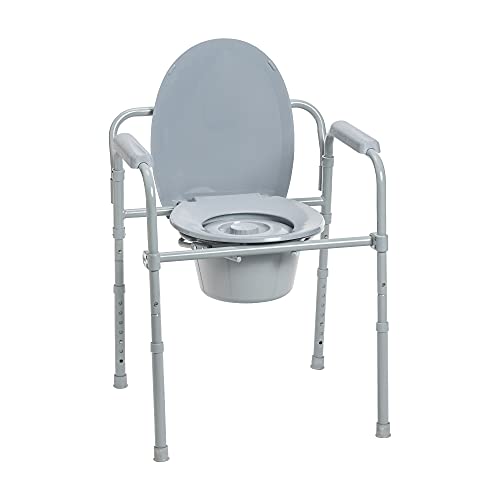
The best commode chair for most people is a three-in-one bedside commode with adjustable-height legs, padded arms, and a 300 to 400 pound capacity, because it works as a bedside toilet, a raised toilet seat over an existing toilet, and a safety frame. This article offers general information only; an occupational therapist or doctor can advise which type suits a particular person and how to fit it safely.
Our top picks


As an Amazon Associate we earn from qualifying purchases at no extra cost to you.
Quick Comparison of Commode Chair Types
| Pick | Best for | Seat height | Weight capacity | Price tier |
|---|---|---|---|---|
| 3-in-1 bedside commode | Best overall, versatile | 13-20 in adjustable | 300-400 lb | Mid |
| Drop-arm commode | Best for bed-to-chair transfers | 17-22 in | 300-400 lb | Mid to premium |
| Bariatric commode | Best for larger users | 17-22 in | 500-650 lb | Premium |
| Rolling shower commode chair | Best for bathroom use and showering | 18-21 in | 250-350 lb | Mid to premium |
| Folding travel commode | Best for portability | 16-20 in | 250-300 lb | Budget |
Best Overall: 3-in-1 Bedside Commode
This style, from makers such as Drive Medical and Medline, is a frame with a removable bucket. Remove the bucket and place it over the toilet as a raised seat or safety arms, and it serves a second purpose. Height-adjustable legs let you set the seat to match the user’s knee height. A splash guard and secure lid help with hygiene.
Main trade-off: bucket cleaning is a task, and plastic arms can flex on cheaper models.
Best for Transfers: Drop-Arm Commode
One arm lowers or swings away so a caregiver or user can slide from a bed or wheelchair sideways. This style reduces lifting strain. Check that the drop arm locks securely when raised.
Best for Larger Users: Bariatric Commode
Bariatric models have wider seats of 22 to 28 inches, reinforced steel frames and capacities from 500 to 650 pounds. They are heavier at 25 to 40 pounds, so they are not the best choice for travel.
Best for Bathroom Use: Rolling Shower Commode Chair
A rolling commode has four casters and can roll over a toilet or into a roll-in shower. It needs a wide enough bathroom door, usually 28 to 32 inches. Stainless steel or coated aluminum resists rust in damp spaces.
Best for Portability: Folding Travel Commode
A folding commode packs flat for car trips. It is lighter at 8 to 15 pounds but the folding joints can wobble. Use it with disposable bags, and keep a non-slip mat under the feet.
How to Choose by Numbers
Set the seat so the user’s feet are flat on the floor and knees are at roughly 90 degrees. Check the weight capacity, the seat opening width and the overall width against the doorway.
| User need | Seat width | Capacity | Overall width |
|---|---|---|---|
| Average build | 16-18 in | 300 lb | 20-22 in |
| Larger build | 20-22 in | 400-500 lb | 26-28 in |
| Bariatric | 24-28 in | 500-650 lb | 30-34 in |
| Over-toilet use | Fits 14-16 in toilet bowl width | 300 lb | Measure the toilet |
Worked example: a user whose knee height measures 19 inches from floor to back of knee needs a seat set near 19 to 20 inches. If the commode adjusts from 13 to 20 inches, it will just reach the top setting.
Ownership Realities
- Cleaning: use mild disinfectant on the bucket and lid after each use, and rinse well.
- Legs: ensure the pins are fully engaged after any height change.
- Rubber tips: replace worn tips because slipping is the main hazard.
- Odor: liners and deodorizing sachets help.
- Placement: use on a flat, dry surface and keep a clear path.
How to Choose a Commode Chair Step by Step
This guide offers general information only and is not medical advice. A doctor, nurse or occupational therapist can assess the person who will use the chair and recommend the right type. With that said, a clear process helps families have a useful conversation with those professionals.
- Define where it will be used. Next to the bed at night, over the toilet, in a roll-in shower, or while traveling each point toward a different style.
- Consider how the person moves. Can they stand and pivot, slide sideways from a bed, or need a caregiver to assist? Transfer method shapes the choice of arms.
- Check body size and weight. Match seat width and capacity to the user with a margin to spare, and confirm the overall width fits the room.
- Measure the space. Doorways, bathroom clearances and the gap beside the bed all decide whether a model fits.
- Think about cleaning. Who will empty and wash the bucket, and how often? A design that is easy to clean gets used correctly.
- Plan for safety extras. Non-slip mats, good lighting and a clear path matter as much as the chair itself.
Working through these points before shopping turns a stressful purchase into a series of small, answerable questions.
Who Should Skip Certain Commode Types
No single commode suits every person or home. These are common cases where a particular type is the wrong fit.
- People who cannot sit upright unaided. A basic frame may not offer enough trunk support. A professional can advise on models with backs and supports, or on other solutions.
- Anyone who needs to be wheeled into a shower. A standard bedside commode is not meant for water and may rust. Choose a rolling shower model instead.
- Small bedrooms with little floor space. A bulky commode can block the path to the door. A folding travel model or an over-toilet frame might be more practical.
- Households with no one able to clean a bucket. If emptying is difficult, an over-the-toilet use or a different toileting setup may suit better. A care team can advise on options.
- People who transfer sideways from a bed or wheelchair. Fixed arms get in the way. The drop-arm style is made for this.
- Users who are larger than the frame allows. Standard frames are not meant for heavy loads. Bariatric models exist for good reason, and using the wrong one is a safety risk.
If you are unsure, an occupational therapist can usually arrange a home assessment, which is more reliable than guessing from product descriptions.
Fit, Setup and Home Compatibility Checks
Measure the doorway and the route
Measure the narrowest point between the bedroom and the bathroom, including door frames and turns. A rolling model needs enough space to turn, and a bariatric frame is wider than a standard one. Remove rugs and clutter that a wheel or leg could catch.
Check the toilet if the chair goes over it
Not every toilet suits an over-toilet frame. Round, elongated and wall-hung toilets differ, and a tank that sits close to the seat can limit how the frame sits. Measure the bowl and check the clearance around it before ordering.
Set the height with the person present
Seat height should let the user’s feet rest flat on the floor with knees near a right angle. Adjust the legs with the person sitting, if possible, then confirm that the pins have locked on every leg.
Choose the floor position
Place the commode on a firm, dry, non-slip surface. Avoid thick carpet that can tilt the legs. If the floor is smooth, use mats or rubber tips that grip.
Think about privacy and dignity
A screen, a door that closes, and good night lighting make a significant difference to comfort. Placing the chair where it is quick to reach, but out of the main walkway, helps everyone.
Common Problems and Practical Fixes
- Wobbling frame. Check that each leg is at the same setting and fully locked. Tighten bolts, and inspect the rubber tips for wear.
- Odor. Rinse the bucket right after use, clean with a suitable disinfectant, and use liners or deodorizing sachets. Letting the bucket air out between uses also helps.
- Arms that flex. Plastic arms can bend under pushing. Push up through the seat and frame when possible, and replace any arm that feels loose or cracked.
- Stained or sticky seat. Wipe daily with a household disinfectant that is safe for the material. Avoid harsh abrasives that scratch the surface and trap grime.
- Rust on a frame. Steel in a damp bathroom can corrode. Dry it after cleaning, and pick coated or aluminum models for wet areas.
- Casters that roll unexpectedly. Use the locking mechanism every time, and check that it holds before the user transfers.
- Splashing. A properly fitted splash guard and a correct seat position reduce it. Adjust the height if the user sits too high or low.
Matching Commode Types to Situations
The chair types covered above suit different circumstances. These pairings are a starting point for discussion with a care professional.
- Night-time use at the bedside. The 3-in-1 bedside commode is the versatile choice. It sits next to the bed, and the frame can later be used over the toilet.
- Moving from a bed or wheelchair with help. The drop-arm commode makes sideways transfers easier and reduces lifting effort for the caregiver.
- Larger users who need extra width and strength. The bariatric commode is built for it, with a wider seat and reinforced frame.
- Bathroom-based toileting and showering. The rolling shower commode chair handles both jobs, provided doorways allow it and the user can be safely secured.
- Holidays and visits. The folding travel commode is light and packs flat, but check its stability on the surface where you will use it.
Whatever the situation, a trial run with the caregiver and user together reveals practical problems that no product page will.
Safety, Hygiene and Routine Checks
A commode chair is a piece of daily-living equipment, so regular checks matter as much as the initial choice.
- Daily. Empty and rinse the bucket, wipe the seat, lid and arms, and confirm the chair is still on a dry, flat surface with clear space around it.
- Weekly. Check every leg lock, rubber tip and arm fixing. Look for cracks, rust or loose rivets, and tighten whatever has worked loose.
- Hand hygiene. Caregivers should use gloves and wash hands afterward. Keep disinfectant, wipes and spare liners within easy reach.
- Lighting and path. A night light between the bed and the commode reduces trips and stumbles. Keep the route free of cords, rugs and shoes.
- Supervision. Some users need someone nearby during transfers. Ask a therapist how to carry out transfers safely, including how to position the chair and where to stand.
- Keep records. Note the date of purchase and any repairs. If a part is damaged, contact the manufacturer for a genuine replacement instead of improvising.
Small, consistent habits keep the equipment safe and make daily care easier for everyone involved.
More Questions Buyers Ask
Can a commode chair be used as a shower chair?
Only if it is designed for it. Standard bedside commodes are not meant to get wet. Rolling shower commode chairs use water-resistant materials and have features for safe use in the bathroom.
What accessories are worth having?
Disposable liners, a spare bucket, a lid, a splash guard and non-slip mats are the most useful. A small side table within reach for wipes and gloves keeps everything tidy.
How do I clean a commode chair thoroughly?
Empty the bucket, wash it with warm water and detergent, then disinfect and rinse. Wipe the seat, lid, arms and frame, including the underside of the seat. Allow everything to dry before reuse.
Is it safe to leave a commode in the bedroom permanently?
Yes, many households do. Keep it clean, emptied promptly and positioned so that it does not block the way. A cover or a screen helps it blend into the room.
When should a commode chair be replaced?
Replace it if the frame is bent or cracked, the legs no longer lock, the seat is damaged, or the arms are loose. A chair that is unsafe is not worth repairing, since a failure can lead to a fall.
Can a commode be shared between two people?
It is better not to, for hygiene reasons. If sharing cannot be avoided, clean and disinfect the whole chair between users, use fresh liners, and make sure the height and arms are reset and locked for the next person.
Frequently Asked Questions
What is the difference between a commode chair and a raised toilet seat?
A commode chair is a freestanding seat with a bucket, which you can place by a bed. A raised toilet seat sits on top of an existing toilet. Many 3-in-1 models do both jobs.
How do I choose the right commode height?
Measure from the floor to the back of the user’s knee and set the seat to that height. Their feet should rest flat with knees near a right angle.
Does insurance or Medicare cover commode chairs?
Coverage varies by plan and location. Ask your doctor and insurer, as some plans cover them with a prescription when medically necessary.
How often should a commode be cleaned?
Empty and clean the bucket after every use, and wipe the frame and arms daily with a household disinfectant.
Are commode chairs safe for people with balance problems?
Models with padded arms and a stable base can help, but safety depends on the person. A therapist can assess fit and recommend extra support.
More from Amazon
Programs that pair well with the guide above. Offers and eligibility are set by Amazon and may change.
Set up recurring deliveries of everyday items on eligible products. Terms and savings are set by Amazon.
Explore Subscribe & SaveFree shipping on eligible items, Prime Video and more. Eligible new members can start with a free trial.
Start a Prime free trialA Prime membership for ages 18-24 with a trial period. Eligibility is set by Amazon.
See Prime for Young AdultsAudiobooks and podcasts to listen to on the go. Eligible new members can start with a free trial.
Try Audible freeAs an Amazon Associate we earn from qualifying purchases.








Write Your Review
No reviews yet. Be the first to share your experience!