

Key takeaways
- Legroom: Measure the clear space under the desk. Deep footrests need depth for your knees and toes.
- Standing desks: A sit-stand desk needs a footrest that works at both heights. The RIAMTGCX is reported as the one designed for it.
- Hard floors: Some foam models lack a non-slip base, a point noted for the Office Ottoman model. A slipping footrest defeats the purpose, so look for a grippy bottom or use a mat.
- Carpet: Rocking footrests can feel unstable on thick carpet. A flat base helps.
- Shoes or socks: Textured fabric tops suit bare feet; hard surfaces suit shoes.
- Chair casters: If your chair rolls, keep the footrest where your feet land naturally and check it does not trap a caster.
For most desk workers who sit all day with their feet dangling or tucked behind the chair, a tilting, height-adjustable footrest such as the HUANUO or the ComfiLife is a sensible budget start, a dense-foam model like the Cushion Lab suits people who work in socks or barefoot, and the Humanscale FM 300 is the premium pick for anyone who wants the foot to keep moving. The right footstool is the one that fills the gap between your feet and the floor so your thighs rest level on the seat without pressing into the front edge, and that is why height range and surface matter more than any extra feature.
The specs below come from reviewer summaries and listings, so read them as what the maker or reviewer reports. Comfort advice is general and not medical guidance. If you have persistent leg, back or circulation symptoms, speak with a doctor or physiotherapist instead of relying on a footrest.
Desk Footstools at a Glance
| Model | Best for | Key stated traits | Limits |
|---|---|---|---|
| Humanscale FM 300 | Active, all-day sitting; premium tier | BTOD reports a smooth gliding motion and about 3 inches of height adjustment through end knobs; works with shoes or barefoot | Premium tier; a motion platform is not for people who want a fixed stop |
| Cushion Lab | Socks or barefoot use | Charcoal-infused foam reported to resist odor and keep its shape | Mid-range tier; a fixed shape, so check height |
| Pogo | Durability, shoe wearers | Extruded aluminum body; teardrop shape that can rock when flipped | Premium tier; hard surface |
| RIAMTGCX standing-desk footrest | Sit-stand desks | BTOD reports an upper bar for weight shifting while standing and three seated height settings | Bulkier than a simple stool |
| Everlasting Comfort | Budget buyers wanting a washable cover | Removable washable cover, molded foam padding, can rock when inverted | Foam softens over time |
| HUANUO adjustable footrest | Budget tilt and height options | Reported three height positions and a 30 degree tilt; some versions include massage nodes | Plastic build; a reviewer-cited weak point is long-term durability |
| ComfiLife | Memory-foam comfort | Memory foam cushion with removable, machine-washable cover | Some users find height adjustment misleading |
| StrongTek wooden footrest | Heavy-duty sturdiness | Dr. Body Gadget reports a capacity of about 350 lb | Hard surface, little cushioning |
What a Footstool Is Supposed to Do
An ergonomic footrest solves one specific problem. When a chair is set high enough for your arms to reach the keyboard comfortably, your feet may not reach the floor. The seat’s front edge then presses into the back of the thighs, and the body compensates by slouching or perching on the edge of the seat. A footrest returns support to the feet so the thighs sit level with the seat and the knees are roughly at hip height. Reviewers say a footrest can improve sitting posture and reduce pressure on the thighs, but it is a comfort aid, not a treatment.
If your feet already rest flat on the floor with the chair at a good typing height, you probably do not need one. A footstool is most useful for shorter users, for fixed-height desks, and for people who cannot lower a desk to match their chair. Reviewers who work from home note that even people with a decent chair find one helpful when the desk is a little high.
Choosing the Right Height
Height is the single most important number. Ergonomics Nerd suggests a lower height of about 4 to 6 inches for shorter users. The CozyDoc is reported at about 4 inches tall, which suits those who only need a small lift. The Humanscale gives roughly 3 inches of height adjustment, and the HUANUO offers three positions. A fixed-height foam block must be chosen right the first time, so if your measurements are uncertain, an adjustable model is the safer buy.
To measure, sit with your back against the chair and hips deep in the seat. Adjust the chair so your forearms are level with the desk. If your feet hang, measure the gap from the floor to the soles of your feet, then pick a footrest that closes it with a little adjustment range left over. Avoid a rest so high that your knees rise above your hips, which brings back pressure on the lower back.
Fixed, Tilting and Rocking Designs
Footrests fall into three groups. Fixed blocks such as the Ergo Foam model reviewed by Ergonomics Nerd give firm, steady support and a wide platform, but offer a single height. Tilting platforms like the HUANUO let you angle the foot, which some people find comfortable through the day. Rocking and gliding designs such as the Humanscale FM 300 and the Pogo encourage small movements. Reviewers describe the gliding motion as keeping legs active, and the Pogo and Everlasting Comfort can be flipped to rock. People who prefer to sit still, or who find moving platforms distracting, may prefer a fixed block.
Materials: Foam, Plastic, Metal and Wood
High-density foam holds its shape over months and suits socks or bare feet. Reviewers note that low-density foam compresses with heavier users, one reason Ergonomics Nerd tells shoppers to look for high-density foam. Memory foam covers feel soft but may flatten faster. Removable covers help when the footrest lives in a shared office or near pets, and the ComfiLife and Everlasting Comfort both advertise washable covers. Plastic models, like the HUANUO, are lighter and cheaper but can creak or lose firmness. Extruded aluminum on the Pogo is reported to last, though it is a hard surface and works best with shoes. Wooden footrests like the StrongTek have a very high weight rating of about 350 lb and little give.
Fit and Compatibility Notes
- Legroom: Measure the clear space under the desk. Deep footrests need depth for your knees and toes.
- Standing desks: A sit-stand desk needs a footrest that works at both heights. The RIAMTGCX is reported as the one designed for it.
- Hard floors: Some foam models lack a non-slip base, a point noted for the Office Ottoman model. A slipping footrest defeats the purpose, so look for a grippy bottom or use a mat.
- Carpet: Rocking footrests can feel unstable on thick carpet. A flat base helps.
- Shoes or socks: Textured fabric tops suit bare feet; hard surfaces suit shoes.
- Chair casters: If your chair rolls, keep the footrest where your feet land naturally and check it does not trap a caster.
Care and Cleaning
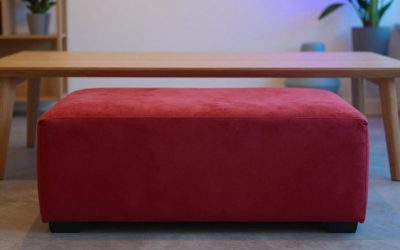
Foam footrests with removable covers can be washed according to the maker’s label. Spot-clean fixed covers with a damp cloth and let them air dry. Velvet covers, mentioned in one review as lint-prone, collect dust and pet hair. Plastic and metal models wipe clean. Over time, check for cracks in plastic housings and loose end knobs on adjustable models, and stop using a footrest that no longer sits flat.
Budget Tiers
- Budget tier: Adjustable plastic models like the HUANUO and BlissTrends, plus washable-cover foam blocks like the Everlasting Comfort. Good for testing whether you like a footrest at all.
- Mid-range tier: Cushion Lab, ComfiLife, the RIAMTGCX for standing desks and the CozyDoc. Better foam and covers.
- Premium tier: The Humanscale FM 300 and the aluminum Pogo, aimed at long-term durability and active sitting.
Pick X If You Need Y
| Pick this | If you need |
|---|---|
| Humanscale FM 300 | A premium, gliding platform that keeps feet moving, and works with shoes or bare feet |
| Cushion Lab | Dense, odor-resistant foam for sock or barefoot use |
| Pogo | A very durable, hard-wearing footrest for shoes |
| RIAMTGCX | A footrest that works with a sit-stand desk |
| HUANUO | Tilt and three heights for a small spend |
| ComfiLife or Everlasting Comfort | A washable cover and soft padding |
| CozyDoc | A low 4 inch lift for shorter users or small gaps |
| StrongTek wooden | A sturdy, heavy-duty base |
Alternatives to a Footrest
If the real issue is a desk that is too high, a height-adjustable chair with a footring or a sit-stand desk may solve the cause. A sturdy stack of books or a small step stool works as a stopgap, although it will not tilt or cushion. A footrest hammock mounted under the desk suits people who prefer to swing their legs. Some people find that simply lowering the chair, with an adjustable keyboard tray, removes the need for a footrest entirely.
Frequently Asked Questions
Do I need a footrest if my feet touch the floor?
Usually not. If your feet rest flat on the floor and your thighs are roughly level, the chair already supports you. A footrest is most helpful when the chair or desk is too high for your height.
How high should a desk footrest be?
High enough that your thighs sit level and your knees stay near hip height. Reviewers suggest around 4 to 6 inches for shorter users, but measure the gap under your own feet. Adjustable models give room for error.
Is a rocking footrest better than a fixed one?
It depends on the person. Gliding or rocking models such as the Humanscale FM 300 or Pogo encourage movement, while fixed blocks offer steady support. Try whichever suits how you sit, and swap if the motion distracts you.
Can I use a footrest with a standing desk?
Yes, but pick one built for it. The RIAMTGCX is reported to include an upper bar for weight shifting when standing and three seated heights. A basic foam block is awkward to move between sitting and standing.
Will a footrest relieve back pain?
It may improve comfort by supporting the feet and reducing thigh pressure, but it is not a treatment. Persistent back, leg or circulation symptoms deserve a conversation with a doctor or physiotherapist.
How do I clean a foam footrest?
Remove the cover if the maker allows, and wash it following the label. Wipe fixed covers with a damp cloth and let them dry completely. Replace the footrest when the foam stays compressed or the base no longer grips the floor.





Write Your Review
No reviews yet. Be the first to share your experience!