

Key takeaways
- Electrical: If you power a laptop or charger outside, use outlets and extension cords rated for outdoor use and protected from rain. Ask an electrician about proper outdoor outlets rather than improvising.
- Sun: Glare makes screens hard to read and long exposure can overheat devices. A shaded spot or umbrella helps.
- Heat: Dark metal and plastic chairs can become hot in direct sun. Test the surface before sitting, particularly for children.
- Stability: Place chairs on level ground and keep within the maker’s stated weight rating.
- Posture: Take breaks to stand. If you have back or neck pain, a doctor or physical therapist can advise on seating.
For working outside, the best choice is an upright, weather-resistant chair with a firm back and a seat that does not slouch, such as a textilene stackable dining chair for occasional laptop sessions or an aluminum swivel patio chair for longer ones, while reclined Adirondack chairs and low loungers suit reading but are poor for a keyboard. No mainstream maker sells a true ergonomic office chair designed to live outdoors, so this guide covers the closest options and how to keep an indoor-style chair from being ruined by weather. Details come from outdoor furniture reviewers such as Forbes, The Patio Pro and The Yard Review, and where those sources are general, the article says so.
Our top picks



As an Amazon Associate we earn from qualifying purchases at no extra cost to you.
At a glance: outdoor seating for working
| Option | Best for | Key points reviewers state | Limits |
|---|---|---|---|
| Textilene and steel stackable dining chair | Upright laptop sessions, small patios | The Patio Pro describes stackable weather-resistant textilene sets such as the Vimstora | Firm, minimal padding; no height or lumbar adjustment |
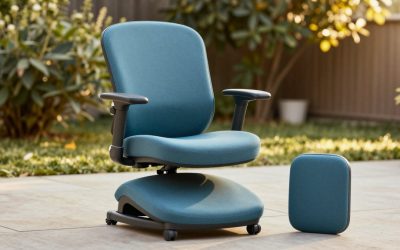
| Aluminum swivel patio chair with all-weather wicker | Closest match to an office chair | Forbes highlights a swivel chair with an aluminum frame, weather-resistant cushions and a smooth 360-degree swivel | No height adjustment; cushions need upkeep |
| HDPE recycled plastic dining chair | Low maintenance, wet climates | Sold as resistant to cracking, fading, peeling and rot; one set lists a 330 lb capacity | Heavy, rigid seat; limited comfort over hours |
| Teak or powder-coated aluminum dining chair | Long-life patio sets | The Yard Review says teak is naturally weather-resistant and powder-coated aluminum is rustproof | Teak needs care to keep its color; higher tier |
| Adirondack or lounger | Reading and relaxing | Widely available in HDPE and wood | Reclined posture is poor for laptop work |
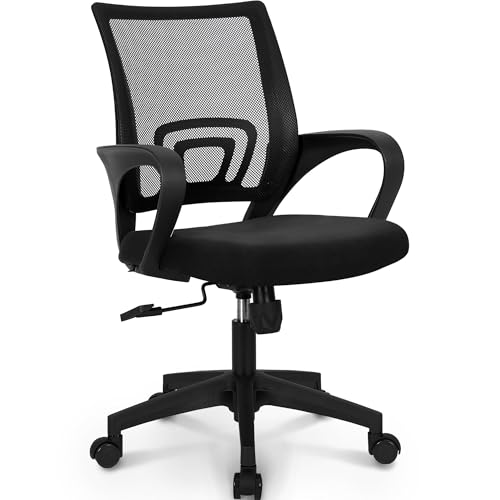
| Indoor mesh office chair kept on a covered porch | Sheltered spaces only | Offers adjustable lumbar and arms | Not designed for rain, sun or damp; may void warranty |
Why a true outdoor office chair is rare
Office chairs depend on gas cylinders, tilt mechanisms, foam and mesh, which are not designed for sustained rain, humidity, sun and temperature swings. Outdoor chairs do the opposite: they use rust-proof frames, quick-drying fabrics and simple fixed geometry. The result is that you trade adjustability for durability. A search of current retailer and review coverage found mostly patio chairs, and none of the results covered adjustable ergonomic chairs built for outdoor use. If a seller claims an office chair is fully weatherproof, read the maker’s care and warranty terms closely.
What to look for
Frame materials
Powder-coated aluminum resists rust and stays light, which The Yard Review recommends. Teak is naturally resistant to weather and extremely durable according to the same source. HDPE, a recycled plastic composite, is marketed as resistant to cracking, fading, peeling and rot. Steel frames can work if they are coated, but chipped coatings can rust.
Seat and back fabric
Textilene is a quick-drying woven mesh that suits outdoor dining chairs and stays cooler than padded vinyl. Sling seats flex slightly and are comfortable for moderate sessions. If you want cushions, Forbes advises durable weather-resistant materials such as solution-dyed acrylic, and notes cushions need more upkeep, including cleaning and off-season storage. The Yard Review mentions Sunbrella fabric as resistant to stains and mold.
Posture and height
For laptop work, you need a seat height that lets your forearms rest near a right angle at the table, a back that supports the lower spine, and a table that matches. Most patio tables are higher than a desk, which can raise your shoulders. A chair with a slightly lower seat can make the table feel too high, so measure first.
Swivel and stability
A swivel helps you reach items without twisting, as Forbes notes for the aluminum swivel patio chair. Swivel bases can sink into soft ground or wobble on uneven pavers, so use them on a firm, level surface.
Budget tiers
Budget
Textilene stackable chairs and HDPE dining chairs sit at the low end and are sold in sets. They are practical, but padding is minimal, so a thin outdoor seat pad can help.
Mid-range
Aluminum swivel chairs with wicker or sling seats and removable cushions fall here. They offer more comfort and the swivel, though the cushions require care.
Premium
Teak and high-end aluminum sets with performance fabrics are the top tier. They last longest, but they remain fixed-geometry chairs rather than ergonomic office chairs.
Setting up a comfortable outdoor workspace
The chair is only one part of the setup. A table at a suitable height is just as important, because a table that is too high pushes the shoulders up and one that is too low makes you hunch. If the table is higher than a typical desk, a firm seat cushion can raise your seated height slightly, and a small footrest or a flat box can support your feet if they no longer reach the ground. A laptop stand with a separate keyboard lifts the screen toward eye level, which reduces neck strain during longer sessions.
Think about the surface under the chair as well. Pavers, decking and concrete suit swivel and stackable chairs; soft lawn does not. Chair feet with rubber or plastic glides protect decking and prevent scraping noise, while wider feet spread load on gravel. Wind can tip lightweight stackable chairs and push umbrellas into people, so choose a heavier base for exposed spots, and bring items in when storms are forecast.
Timing matters too. Morning and late afternoon light is usually easier on screens than midday, and a shaded side of the house can keep devices cooler. Plan short breaks to stand and stretch, and bring a drink, because heat and glare tire people faster than they expect. If you plan to work outside often, a pergola, large umbrella or covered porch protects both you and the equipment, and it also extends the life of cushions and fabric.
Safety, sun and electrical notes
- Electrical: If you power a laptop or charger outside, use outlets and extension cords rated for outdoor use and protected from rain. Ask an electrician about proper outdoor outlets rather than improvising.
- Sun: Glare makes screens hard to read and long exposure can overheat devices. A shaded spot or umbrella helps.
- Heat: Dark metal and plastic chairs can become hot in direct sun. Test the surface before sitting, particularly for children.
- Stability: Place chairs on level ground and keep within the maker’s stated weight rating.
- Posture: Take breaks to stand. If you have back or neck pain, a doctor or physical therapist can advise on seating.
Using an indoor office chair outside
Some people move an indoor chair onto a covered porch for the day. If you do, keep it out of rain and morning dew, avoid leaving it overnight, and keep casters off wet decking to prevent grit damage. Mesh and foam can hold moisture and develop mildew, and metal parts can corrode. Check whether the warranty covers outdoor use, and expect the maker to say it does not unless stated otherwise.
Pick X if… decision table
| Pick this | If your situation is |
|---|---|
| Textilene stackable chair | You work outside now and then and want easy storage |
| Aluminum swivel patio chair | You want the nearest thing to an office chair with weather resistance |
| HDPE dining chair | You live in a wet climate and want low maintenance |
| Teak or powder-coated aluminum | You want a long-lasting set and accept a higher tier |
| Indoor mesh chair on covered porch | You have a sheltered space and can bring it inside after use |
| Adirondack chair | You are reading or relaxing, not typing |
What stayed uncertain
Reviews of patio furniture are mostly written for dining and lounging, not for working, so comfort for hours of typing is rarely measured. Specifications such as capacity and cushion materials vary by set and by year, so rely on the maker’s listing for the exact product you choose.
Care
Rinse frames with mild soap and water, dry them, and store cushions indoors in wet seasons. Look over welds, bolts and fabric each season and stop using a chair with cracks or loose joints. Cover chairs during winter, and follow the maker’s cleaning instructions, especially for teak oil or fabric treatments.
Alternatives
- Sunroom or screened porch with an indoor chair: Gives airflow without weather exposure.
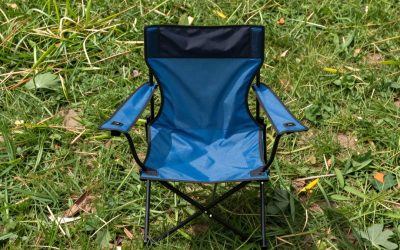
- Portable folding chair with back support: Handy for occasional outdoor sessions.
- Standing desk or high table with a stool: Changes posture and suits short tasks.
Frequently Asked Questions
Is there a real outdoor ergonomic office chair?
Retailer and review coverage reviewed here did not show a mainstream chair that combines office-style adjustment with full weatherproofing. The closest options are aluminum swivel patio chairs and upright textilene dining chairs.
What material lasts longest outdoors?
The Yard Review describes teak as naturally weather-resistant and powder-coated aluminum as rustproof, and HDPE is sold as resistant to cracking and rot. Longevity still depends on care and climate.
Are Adirondack chairs good for working?
They are comfortable for relaxing, but the reclined posture makes laptop work awkward. Choose an upright chair for typing.
Do outdoor cushions need special care?
Yes. Forbes notes that cushions need extra upkeep including cleaning and off-season storage, and recommends durable fabrics such as solution-dyed acrylic.
Can I leave an office chair on a patio?
It is not advised. Moisture and sun can damage mesh, foam and mechanisms, and warranties usually assume indoor use.
How should I power a laptop outside safely?
Use outdoor-rated outlets and cords kept out of rain, and ask a licensed electrician if you need a new outlet.



Write Your Review
No reviews yet. Be the first to share your experience!