

Key takeaways
- Seat cushions flatten first, and foam density decides how fast.
- Power mechanisms and motors fail more often than manual levers.
- Leather cracks at high-wear spots if it is not conditioned.
- Footrest hinges can loosen; check them yearly and tighten bolts.
- Sunlight fades fabric; keep chairs away from direct windows.
The best recliner for most living rooms is a La-Z-Boy model sized to your height, with the Trouper and Randell often named for general comfort and the Finley for small spaces. If you want power adjustment on a tighter budget, Signature Design by Ashley power recliners such as the Boyington are a common value pick. This guide sorts recliners by mechanism, room size and body fit, with the clearance numbers that decide whether a chair works in your room.
Our top picks


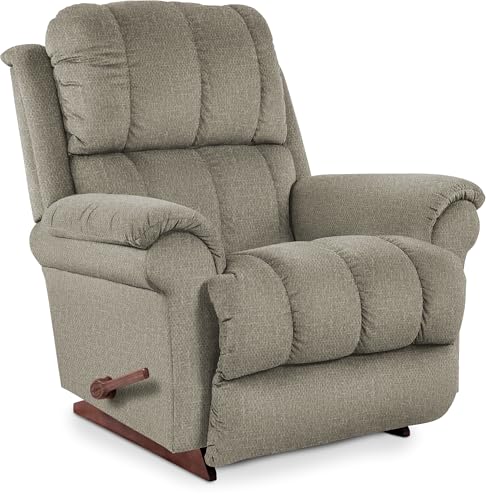
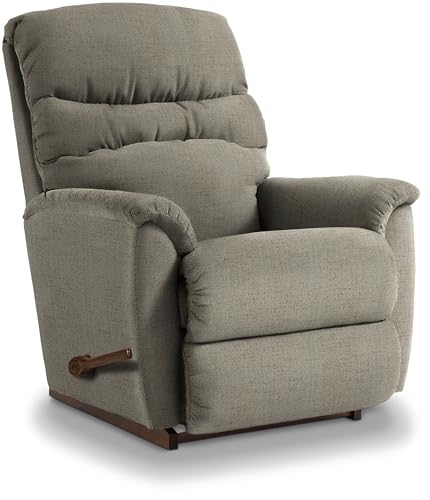
As an Amazon Associate we earn from qualifying purchases at no extra cost to you.
Quick Comparison of the Best Recliners
| Pick | Best for | Mechanism | Fit note | Price tier |
|---|---|---|---|---|
| La-Z-Boy Trouper | Best overall comfort | Manual or power, rocker option | Mid-size frame, supportive cushioning | Upper-mid |
| La-Z-Boy Randell | Best for taller users | Manual or power | Built for tall and extra-tall body types per retailer guides | Upper-mid |
| La-Z-Boy Finley | Best for small spaces | Manual or power | Compact footprint | Mid to upper-mid |
| La-Z-Boy Astor | Best tall back | Manual or power | Tallest in the La-Z-Boy lineup per retailer guides | Upper-mid |
| Signature Design by Ashley Boyington | Best value power | Power with zero-gravity style recline | Mid-size | Mid-range |
| Signature Design by Ashley Ballister | Best for independent controls | Power lift recliner, twin motors | Moves footrest and backrest separately | Mid-range |
Lineups, fabrics and prices change often by retailer. Check current price, fabric options and delivery terms before you commit.
Best Overall Comfort: La-Z-Boy Trouper
The Trouper is one of the best-known La-Z-Boy styles, offered in manual, power and rocker versions, with a cushioning that buyer guides frequently recommend for back comfort. It suits people who want a classic full recliner that fits an average-size frame. Main trade-off: it needs wall clearance for the recline, and the leather and power versions climb quickly in price.
Best for Taller Users: La-Z-Boy Randell
The Randell is described in retailer guides as a casual, family-friendly recliner built for tall and extra-tall body types. If your feet hang off standard footrests or your head sits below the headrest, a chair built to a taller specification matters more than extra features. Trade-off: it takes more floor space than compact options, so measure first.
Best for Small Spaces: La-Z-Boy Finley
The Finley is a smaller recliner design intended for tighter rooms. It offers the La-Z-Boy mechanism and choice of manual or power in a footprint better suited to apartments. Trade-off: taller or broader users may find it snug, so try the dimensions against your body size.
Best Tall Back: La-Z-Boy Astor
The Astor is listed as the tallest recliner in the La-Z-Boy range, which suits people who want upper back and head support in an upright position. Trade-off: the height makes it visually large in smaller rooms.
Best Value Power: Signature Design by Ashley Boyington
The Boyington is a power recliner with USB charging and zero-gravity style positioning that competes with pricier brands on features. It is a sensible way to get a power recline at a mid-range price. Trade-off: Ashley warranty terms are shorter than La-Z-Boy’s limited lifetime frame coverage, so read both before buying.
Best for Independent Controls: Signature Design by Ashley Ballister
The Ballister is a power lift recliner with twin motors, letting you adjust the footrest and backrest separately. That helps users who need help standing or who like to set precise angles. Trade-off: lift mechanisms add weight and cost, and you need an outlet close to the chair.
How to Choose a Recliner
Pick the mechanism
Manual recliners use a lever or handle and are simplest. Power recliners use a button and often allow a headrest or lumbar adjustment. Rockers add motion. Lift recliners raise you to standing. Pick power if you want precise angles, manual for lowest cost and fewest parts to fail.
Measure clearance
A traditional recliner can need 12 to 18 inches behind it to recline, while a wall-hugger needs about 4 to 6 inches. Add the extended footrest length, typically 20 to 30 inches in front, so you do not block a walkway.
Match the frame to your height
Below about 5 feet 6 inches, look for a short seat depth and a footrest that reaches your feet. Above 6 feet, look for models marketed for tall users and a back that reaches your shoulders. A seat depth of 20 to 22 inches suits most average-height adults.
Upholstery
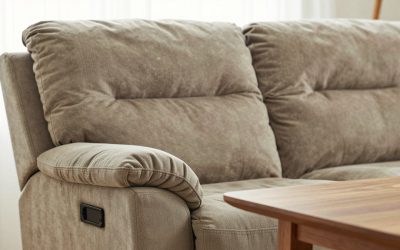
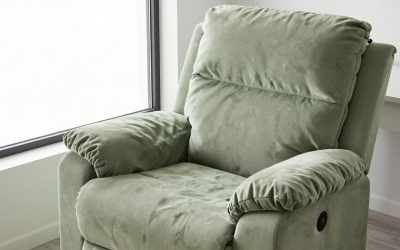
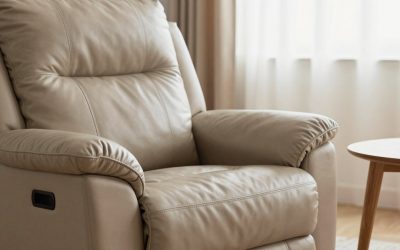
Leather and performance fabrics are easier to clean; microfiber is soft and durable; bonded or low-grade leather can peel. Households with pets or children should favor wipe-clean or performance fabrics.
Warranty and frame
Ask about frame and mechanism coverage, since those parts determine the lifetime of the chair. La-Z-Boy lists limited lifetime coverage for frames and mechanisms on many models; verify the current terms on the maker’s site.
Decision Matrix by Situation
| Situation | Choose | Reason |
|---|---|---|
| Small living room | La-Z-Boy Finley | Compact footprint |
| Over 6 feet tall | Randell or Astor | Longer seat and taller back |
| Want power on a budget | Ashley Boyington | Power features at mid price |
| Difficulty standing | Ashley Ballister | Power lift with independent motors |
| Classic comfort for daily use | La-Z-Boy Trouper | Supportive cushions |
| Pets or kids | Any model in performance fabric | Wipeable, durable |
Cost Per Year: A Worked Example
If you sit in a recliner for 3 hours a day, that is about 1,095 hours a year. A mid-tier chair kept for 10 years reaches nearly 11,000 hours of use, so the cost per hour falls rapidly. A cheaper chair that needs replacing after four years costs more over a decade, which is why mechanism quality and warranty matter more than the initial price.
What Wears First
- Seat cushions flatten first, and foam density decides how fast.
- Power mechanisms and motors fail more often than manual levers.
- Leather cracks at high-wear spots if it is not conditioned.
- Footrest hinges can loosen; check them yearly and tighten bolts.
- Sunlight fades fabric; keep chairs away from direct windows.
Frequently Asked Questions
Are power recliners better than manual?
Power recliners offer precise positioning and often extra features, but they need an outlet and have more parts that can fail. Manual recliners are simpler and cheaper. Choose power for accessibility or comfort preferences, manual for fewer parts.
How much space does a recliner need?
A standard recliner may need 12 to 18 inches behind it, while wall-hugger designs need only a few inches. Also leave space in front for the footrest to extend.
How long does a recliner last?
A well-built recliner can last 10 years or more with good care. Cushion foam and mechanism quality are the main factors, and warranties give a clue about expected life.
Is leather or fabric better for a recliner?
Leather is easy to wipe and long-lasting if maintained, while fabric feels warmer and softer. Performance fabrics are a good compromise for homes with pets.
Which recliner is best for back pain?
No single chair treats back pain, but a recliner with supportive lumbar cushioning and an adjustable recline can make sitting more comfortable. Talk to a healthcare professional about ongoing pain.

Write Your Review
No reviews yet. Be the first to share your experience!