

Key takeaways
- Measure the RV entry door, the aisle and any slide-out edges the chair must pass.
- Check the clearance at the wall behind the chair in its reclined position, including the baseboard or window sill.
- Ask whether the chair arrives assembled or needs the back attached, and note that the back attaching often adds a few steps.
- If bolting the chair to the floor, follow the RV maker’s instructions and use the correct fasteners for the floor material.
- Remember that electrical power recliners need an outlet and a safe cable route.
For an RV or a mobile home, the best recliner is usually a wall-hugger or Euro-style chair that reclines with only a few inches of wall clearance, weighs well under a typical residential recliner and fits the doorway and floor space you actually have. Single chairs from RV-focused makers such as Lippert’s Thomas Payne line and RecPro suit motorhomes and trailers, while compact residential wall-huggers suit mobile homes where weight matters less. This guide explains how to choose by size, weight, mounting and budget tier, using maker statements and independent reviewers’ findings.
Our top picks

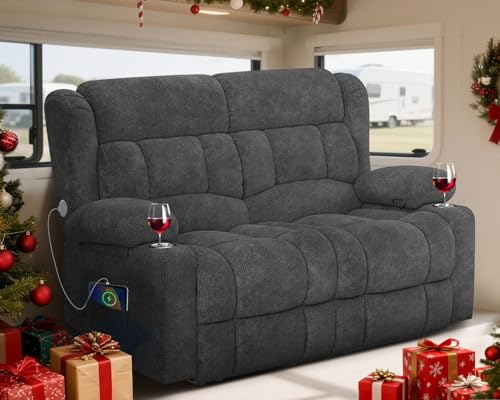

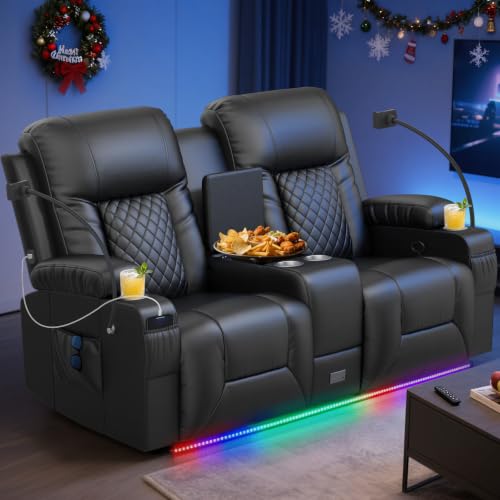
As an Amazon Associate we earn from qualifying purchases at no extra cost to you.
RV and Mobile Home Recliners at a Glance
| Option | Best for | Key reported traits | Limits |
|---|---|---|---|
| Thomas Payne RV Euro chair recliners (Lippert) | Motorhomes and travel trailers needing RV-designed seating | Lippert lists RV-focused wall-hugger mechanisms with padding and a footrest; one comparison table puts weights around 57 to 76 lb depending on model | Weights are from a jumbled comparison table, so check the exact model |
| RecPro Charles 28-inch Euro chair | Weight-conscious RV buyers | Reported as the lightest in one review set at about 50 lb | Narrow; small frames may not suit larger sitters |
| RecPro Charles wall-hugger | Buyers wanting a fuller wall-hugger recliner | Reported at about 88 lb | Heavier, which matters for payload in an RV |
| RV wall-hugger loveseats | Couples in larger motorhomes | Often 120 to 150 lb in reviewer roundups | Needs more floor space and a wide door |
| Residential loveseat recliner | Mobile homes without weight limits | Can weigh 180 to 200 lb according to one roundup | Too heavy for most RVs |
| Sweetcrispy massage wall-hugger | Light residential option for small spaces | Reported at about 59.5 lb, among the lightest wall-huggers a roundup covered | Residential build, not RV-certified |
Why RV Recliners Are Different
An RV is a vehicle, so weight and securing the furniture matter. A heavy recliner reduces cargo capacity, which is the difference between the weight the rig can carry and what it already carries. Makers publish a cargo carrying capacity on a label in each RV, and the recliners and everything else you add count against it. Single RV recliners generally weigh 50 to 65 lb according to reviewer roundups, while residential loveseat recliners are far heavier. For a motorhome or trailer, that gap is large enough to matter.
RV furniture also has to handle road vibration. Chairs designed for RVs often have mounting points so they can be bolted down, while residential recliners tend to be free-standing. Whether you need to anchor the chair depends on your RV and how you use it, and the RV’s manual or the manufacturer of the unit is the right place to confirm what is permitted.
Mobile Homes: A Different Set of Constraints
Mobile homes are fixed, so weight rarely matters. The limits are room size, door width and wall clearance. Wall-hugger recliners are commonly recommended for apartments, studios, RVs, mobile homes and tight living rooms because many need only about 3 to 3.5 inches of space behind them to recline fully. That allows the chair to sit close to a wall in a narrow living room. Before buying, measure the doorway, hallway turns and the final floor spot, then compare the maker’s stated dimensions in both upright and reclined positions.
Key Features to Compare
Mechanism
Wall-hugger and Euro-chair mechanisms slide the seat forward as the back reclines, so the chair clears the wall. Manual mechanisms are lighter and simpler, while power recliners add a motor, a power cord and weight. In an RV, a power recliner needs a nearby outlet and drawing power from a generator or shore connection.
Size and seat width
Check seat width, depth and height against your body. A 28-inch Euro chair is compact but may feel narrow. Larger sitters should look for a stated weight capacity and a seat width that leaves room beside the hips.
Weight
For RVs, add the weight of each chair to the payload budget. The lightest single chair in one review set was around 50 lb, and wall-hugger loveseats ran 120 to 150 lb.
Upholstery
Faux leather wipes clean and resists spills in a camper that sees muddy boots, while fabric breathes in summer. Some RV makers use materials selected for durability and fire-retardancy; ask the maker for the stated details.
Swivel and extras
Some Thomas Payne models have a swivel pushback, which lets you turn to a table or toward the window, but swiveling needs floor space. Massage and heat features add weight and electrical load.
Budget Tier
Budget chairs include basic manual wall-hugger recliners from RV-focused and online furniture makers. They serve occasional use, but the frame and padding may be thinner. Review stated weight capacity, check seat depth and make sure the mechanism feels solid in the first weeks of use because returns are easier early on. In an RV, check whether the chair has mounting points before assuming it can be secured.
Mid-Range Tier
The middle of the market includes RecPro’s Charles chairs and Thomas Payne by Lippert, both RV-oriented. Reviewers describe the Charles 28-inch Euro chair as the lightest in one set, and the wall-hugger version as heavier. Lippert states its Euro chairs are designed for RVs with a wall-hugger mechanism, padding and a footrest. Expect better upholstery options and sturdier frames than the cheapest chairs.
Premium Tier
Premium choices include RV-specific loveseat recliners and custom chairs from RV furniture makers. One forum thread compared Lambright and Flexsteel wall-huggers. Opinions on comfort were mixed: one poster found only Flexsteel gave enough support, while a commenter on another site called the Flexsteel chairs in a Dutch Star uncomfortable. The same thread reported that Flexsteel had stopped making RV products at the time, but that is from an older discussion and its current status is unconfirmed, so ask any seller whether the model is still produced and supported.
The lesson is that comfort is personal. If you can, sit in a chair for several minutes before buying, because the best spec sheet cannot replace a body-fit check.
Fit, Delivery and Installation Notes
- Measure the RV entry door, the aisle and any slide-out edges the chair must pass.
- Check the clearance at the wall behind the chair in its reclined position, including the baseboard or window sill.
- Ask whether the chair arrives assembled or needs the back attached, and note that the back attaching often adds a few steps.
- If bolting the chair to the floor, follow the RV maker’s instructions and use the correct fasteners for the floor material.
- Remember that electrical power recliners need an outlet and a safe cable route.
Pick X If… Decision Table
| If you… | Pick | Why |
|---|---|---|
| Camp in a trailer with limited payload | RecPro Charles 28-inch Euro chair | Lightest in one review set at about 50 lb |
| Want RV-designed seating with a footrest | Thomas Payne Euro chair | Lippert lists an RV wall-hugger design |
| Live in a mobile home with a tight room | Compact wall-hugger recliner | Needs only 3 to 3.5 inches from the wall |
| Share seating with a partner | Wall-hugger loveseat | Heavier, but fits two |
| Want light residential comfort | Lightweight massage wall-hugger | About 59.5 lb in one roundup |
Comfort Checks Before You Commit
Spec sheets rarely capture how a recliner feels after an hour. Sit with your back fully against the cushion and check that your feet reach the floor in the upright position, that the footrest supports your calves when extended and that the headrest does not push your head forward. Try the mechanism several times: it should move smoothly without sticking or loud clunks. Ask the seller about return terms, because a chair that feels fine in a showroom may feel different in a small space with a low ceiling. If you share the chair with someone of a different height, test it with both people before deciding.
Alternatives
- Swivel glider chairs: Lighter, but they recline less.
- Captain’s chairs with lumbar support: Better in a motorhome cab area but less relaxing for lounging.
- Folding zero-gravity chairs: Useful for outdoors and stowable, but not a living-room replacement.
Frequently Asked Questions
Can I use a regular recliner in an RV?
You can, but many are heavy and not designed to be secured for travel. Residential loveseat recliners can weigh 180 to 200 lb, which cuts into cargo capacity. Check the RV’s cargo label and the manual before deciding.
What is a wall-hugger recliner?
It is a recliner whose mechanism moves the seat forward as the back reclines so the chair clears the wall. Many need only about 3 to 3.5 inches of clearance. That makes them popular in RVs, mobile homes and small rooms.
How much should an RV recliner weigh?
Single RV recliners commonly weigh 50 to 65 lb according to reviewer roundups. Loveseats are often 120 to 150 lb. Lighter is usually better for payload, but check that the frame is sturdy.
Do RV recliners need to be bolted down?
Many RV chairs have mounting provisions, but requirements depend on the RV and how you travel. Follow the RV maker’s manual and consult the manufacturer if unsure.
Will a power recliner work in my camper?
It will if you have a suitable outlet and enough power from shore power or a generator. Power chairs add weight and a cord to manage, so confirm the electrical details with the chair’s maker.
How do I know if the chair will fit through the door?
Measure the narrowest point on the path and compare it with the maker’s stated chair width and depth. Some chairs allow the back to be removed for delivery, which helps with narrow doors.









Write Your Review
No reviews yet. Be the first to share your experience!