

Key takeaways
- Painted wood chips and swells at joints, especially at the runners.
- Fabric on portable rockers fades and tears at seams.
- Runners on indoor rockers scratch floors and wear down at the ends.
- Glider bearings loosen and squeak over time.
- Cushions flatten and need replacement before the frame does.
The best rocking chair depends on where it will live: the POLYWOOD Presidential Rocking Chair is the usual pick for a porch because it is made of recycled HDPE lumber, the POLYWOOD Estate Rocker suits coastal, rust-prone porches, and the GCI Outdoor Freestyle Rocker is a portable option. For indoors, a hardwood spindle rocker or an upholstered glider is the better fit. This guide sorts picks by location, rocking motion and build, with the numbers that matter for fit.
Our top picks


As an Amazon Associate we earn from qualifying purchases at no extra cost to you.
Quick Comparison of the Best Rocking Chairs
| Pick | Best for | Material | Key specs | Price tier |
|---|---|---|---|---|
| POLYWOOD Presidential Rocking Chair | Best overall outdoor | Recycled HDPE lumber | Rated to about 325 lb per roundups, roughly 45 lb weight, 20-year warranty cited in roundups | Premium |
| POLYWOOD Estate Rocker | Best for coastal porches | HDPE, rust-free hardware | About 300 lb capacity per roundups | Upper-mid to premium |
| POLYWOOD Shaker Porch Rocker | Best classic porch style | HDPE or teak finish options | Shaker slat profile | Upper-mid |
| GCI Outdoor Freestyle Rocker | Best portable | Folding steel frame with rocking base | Folds for camping and tailgates | Mid-range |
| GCI Kickback Rocker | Best budget portable | Steel frame, fabric seat | Folding, light | Budget |
| Indoor solid wood spindle rocker | Best indoor classic | Oak, maple or birch | Check seat height and runner length | Mid to premium |
| Upholstered glider rocker | Best for nurseries and living rooms | Wood frame, cushions | Smooth glide, footstool option | Mid to upper-mid |
Capacity and weight figures are from manufacturer pages as summarized by roundups and can vary by model year. Check the current listing, and check price at the retailer.
Best Overall Outdoor: POLYWOOD Presidential Rocking Chair
The Presidential is the closest thing to a “forever chair” in many reviews. HDPE lumber made from recycled plastic does not rot, splinter or need painting, and roundups cite a 20-year warranty, a capacity around 325 pounds and a weight near 45 pounds. The large, deep seat with a high back is comfortable for hours. Trade-offs: it costs more than wood or resin alternatives, the weight makes it hard to carry, and color choices are limited.
Best for Coastal Porches: POLYWOOD Estate Rocker
The Estate Rocker uses the same HDPE material with stainless hardware, which is why it is chosen for salt air. It is rated for roughly 300 pounds in roundups. Trade-off: the seat is more upright and traditional than the Presidential, and the price is still in the upper tier.
Best Classic Porch Style: POLYWOOD Shaker Porch Rocker
This Shaker-style rocker has a simple slat design in painted or teak-like finishes. It suits farmhouse and craftsman porches. Trade-off: slats are firm without a cushion, so add a seat pad for long sitting.
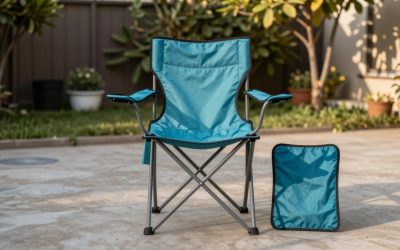
Best Portable: GCI Outdoor Freestyle Rocker
The Freestyle Rocker is a folding chair with a rocking base and is often a top pick for camping and tailgating. It folds flat and carries easily. Trade-off: the rocking arc is shorter than a full porch rocker, and the fabric will wear faster in constant sun.
Best Budget Portable: GCI Kickback Rocker
The Kickback is a lighter, lower-cost portable rocker. It suits occasional campers who want a gentle rocking motion. Trade-off: fewer features, and the capacity and padding are modest.
Best Indoor Classic: Solid Wood Spindle Rocker
For a living room, a hardwood rocker with spindle back, such as styles offered by Amish and traditional furniture makers, offers a long rocking arc and decades of service. Look for oak, maple or cherry and mortise-and-tenon joinery. Trade-offs: solid wood is heavy, and runners can scratch hard floors, so add rug pads or felt strips.
Best for Nurseries and Living Rooms: Upholstered Glider Rocker
A glider moves back and forth along a track instead of tilting on curved runners, so it needs less floor clearance and is smoother for feeding a baby or reading. Many have matching ottomans. Trade-off: glider mechanisms have bearings that can squeak, and cushions wear faster than solid wood.
How to Choose a Rocking Chair
Rocker versus glider
A rocker tilts on curved runners and needs 12 to 24 inches of clearance behind it. A glider slides on a mechanism and needs less. Gliders are quieter and smoother, while rockers give a more traditional, adjustable arc.
Seat height and depth
A seat height of 16 to 18 inches suits most adults. Depth of 18 to 20 inches provides thigh support. If you are shorter than 5 feet 4 inches, look for a lower seat; if over 6 feet, look for a taller back and deeper seat.
Material and weather
HDPE lumber suits rain, sun and salt. Teak is durable but costly, painted wood needs upkeep, and steel needs rust protection. For indoor use, hardwood is stable and strong.
Weight capacity
Typical rockers hold 250 to 350 pounds. Check the listed capacity and leave a margin. Tall rockers tip if the arc is steep, so ask about anti-tip design.
Arms and back
Wide arms help with standing and give a place for a drink, while a high back supports your head. Slat backs are cooler, upholstered backs are softer.
Decision Matrix by Situation
| Situation | Choose | Reason |
|---|---|---|
| Front porch, lasting decades | POLYWOOD Presidential | HDPE lumber, no repainting |
| Beach or coastal home | POLYWOOD Estate | Rust-free hardware |
| Camping and tailgates | GCI Freestyle Rocker | Folds flat |
| Nursery or reading nook | Upholstered glider | Smooth motion, small clearance |
| Traditional living room | Solid wood spindle rocker | Long arc, heirloom quality |
| Tight budget outdoors | GCI Kickback | Low-cost portable |
Cost Per Year: A Worked Example
A premium HDPE rocker with a 20-year warranty used every summer evening, around 100 evenings a year, is 2,000 uses over 20 years. A painted wood rocker that needs repainting every three years and replacement at about 10 years costs more over the same span once you add paint, sanding and time. HDPE has higher upfront cost but no maintenance, which usually wins on a covered or uncovered porch.
What Wears First
- Painted wood chips and swells at joints, especially at the runners.
- Fabric on portable rockers fades and tears at seams.
- Runners on indoor rockers scratch floors and wear down at the ends.
- Glider bearings loosen and squeak over time.
- Cushions flatten and need replacement before the frame does.
Frequently Asked Questions
What is the best material for an outdoor rocking chair?
HDPE lumber, such as the material used by POLYWOOD, resists rot, fading and insects, so it needs little maintenance. Teak is also durable, but it costs more and needs occasional oiling.
How much space does a rocking chair need?
Leave 12 to 24 inches behind a traditional rocker and enough front clearance for your feet. Gliders need less space. Measure with the chair fully rocked.
Are rocking chairs good for your back?
Some people find the gentle motion soothing, but there is no medical claim. Choose a chair with a supportive back and ask a professional if you have back pain.
What is the difference between a rocker and a glider?
A rocker uses curved runners and tilts back and forth, while a glider moves on a track or linkage. Gliders are smoother and take less floor space.
How do I stop a rocking chair from scratching the floor?
Apply felt strips or a clear protective tape to the runners, and place a rug or mat under the chair. Check it periodically since pads wear out.
Write Your Review
No reviews yet. Be the first to share your experience!