

Key takeaways
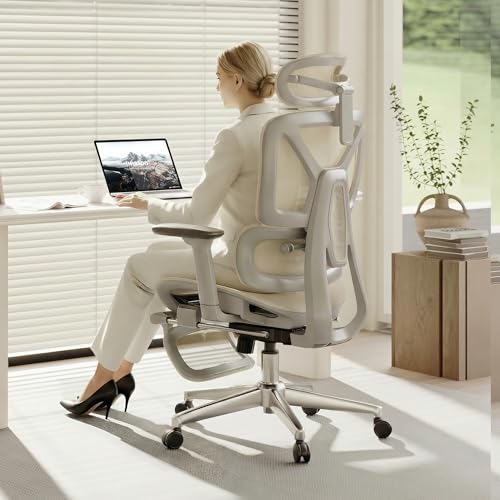
- Full feature set for a budget chair, including a headrest and lumbar support
- 330 lb load rating is generous at this tier
- Lighter than most competitors, which helps with moves
- BIFMA certified according to the manufacturer
The best ergonomic chair for most students in 2026 is one that fits a small desk, adjusts in at least seat height, lumbar and armrests, and survives four years of dorm moves, study marathons and shared use. The Branch Ergonomic Chair and the Sihoo M57 are the strongest all-round value picks, the Sihoo M18 is the compact budget answer, and the Steelcase Series 1 or Herman Miller Sayl are the long-term buys that can follow a student from first-year housing into a first job.
This guide is built around how students actually sit: long blocks at a desk that is often too high or too low, irregular posture on a laptop, a chair shared between studying, gaming and video calls, and a room that may be shared with a roommate. Specs below come from manufacturer pages and established review roundups, and where sources disagree the manufacturer figure is used and the disagreement is flagged.
Our top picks



As an Amazon Associate we earn from qualifying purchases at no extra cost to you.
Quick comparison of the seven picks
| Pick | Best for | Weight limit | Seat height range | Warranty | Price tier |
|---|---|---|---|---|---|
| Sihoo M18 | Small dorm desks, tight budgets | 330 lb | 17.3 to 21.3 in | 3 years | Budget |
| Sihoo M57 | Hot rooms, full mesh, taller students | 330 lb | 18.1 to 21.7 in | 3 years (UK page) | Budget to mid-range |
| Branch Ergonomic Chair | Best value all-rounder | 275 lb | 17 to 21 in | 7 years | Mid-range |
| Hbada E3 Pro (2026 Edition) | Tall students, recline and naps | 330 lb | 18.1 to 20.4 in | Check current listing | Mid-range |
| Branch Verve | Smaller and mid-height students | 275 lb | 16.5 to 20.5 in | 7 years | Mid-range to premium |
| Steelcase Series 1 | Buy once, use through grad school | 400 lb | 16.5 to 21.5 in | 12 years | Premium |
| Herman Miller Sayl | Small frames, design-minded buyers | 350 lb | 16 to 20.5 in | 12 years | Premium |
How to choose a student chair: the numbers that matter
Student chairs fail in predictable ways. The seat is too tall for the desk, the armrests hit the desk edge so the chair cannot slide in, the seat foam flattens within a year, or the chair simply does not fit the person who sits in it. Work through these checks before comparing brands.
1. Match seat height to your desk and your legs
Your feet should rest flat on the floor with thighs roughly level and knees near 90 degrees. Most desks and dorm desks sit about 28 to 30 inches from the floor. A common rule is that forearms should rest level on the desk surface with elbows close to a right angle. If you are under about 5 feet 3 inches, look for a seat that drops to 16 inches or below, such as the Herman Miller Sayl at 16 to 20.5 inches or the Branch Verve at 16.5 to 20.5 inches. If you are over about 6 feet, a seat that climbs to 21 inches or more, like the Sihoo M57 at up to 21.7 inches or the Steelcase Series 1 at up to 21.5 inches, avoids the cramped, knees-high feeling.
2. Check seat width and depth against your body
Seat depth matters more than most students expect. You want roughly two to three fingers of gap between the front edge of the seat and the back of your knee. A seat that is too deep forces you to slouch forward off the backrest. The Hbada E3 Pro offers about 2 inches of seat depth adjustment, from 17.7 to 19.7 inches, and the Branch chairs include a seat depth slider. Fixed-depth chairs like the Sihoo M57 (about 18.1 inches deep and 20.1 inches wide) suit average builds, but a narrower seat can feel tight for wide hips.
3. Treat lumbar support as a requirement, not a bonus
Students sit for long stretches, often leaning forward toward a laptop. A chair that supports the inward curve of the lower back reduces the urge to slump. Adjustable lumbar, ideally in both height and depth, is far better than a fixed bump. Sihoo describes the M57 and M18 as having dual-adjustable lumbar, while the Branch Ergonomic Chair Pro adds two-way lumbar and the standard model relies on a contoured back with seat adjustments. Always check the exact version you are ordering because listing details vary between retailers.
4. Armrests decide whether the chair slides under the desk
Many student desks have a slim apron or a keyboard tray. Armrests that flip up or can be lowered below the desk surface let the chair tuck in, which saves floor space in a dorm. Branch lists removable armrests on its chairs, and the Sihoo M57 has 3D armrests. If your desk is narrow, measure the clearance between the underside of the desk and the floor and check the armrest height range, for instance the Hbada E3 Pro armrest range of 28.3 to 34.4 inches measured from the floor.
5. Plan for a moving chair
If the chair will travel between a dorm, an apartment and home, weight and assembly matter. The Sihoo M18 weighs about 37 pounds, the Branch Ergonomic Chair about 42 pounds, and older Hbada E3 Pro listings show around 68 pounds. Heavier chairs are usually sturdier, but they are harder to carry up stairs. Keep the original box if you can, since most of these chairs ship flat-packed and rebuild easily.
Decision matrix: which chair for which student
| Your situation | Choose | Why |
|---|---|---|
| Small dorm desk, tight budget | Sihoo M18 | Compact footprint of 28 by 27 inches, headrest and lumbar included |
| Hot room or no air conditioning | Sihoo M57 | Mesh back and seat let air through |
| Only one chair for four years | Branch Ergonomic Chair | 7-year warranty and broad adjustment range |
| Over 6 feet tall or broad frame | Hbada E3 Pro or Steelcase Series 1 | Taller seat range and higher weight limits |
| Under 5 feet 4 inches | Herman Miller Sayl or Branch Verve | Lower minimum seat height and shorter seat depth |
| Graduate student sitting 8 or more hours | Steelcase Series 1 or Sayl | 12-year warranties and long-session comfort |
| Study, gaming and video calls in one chair | Hbada E3 Pro | Recline up to 140 degrees and a 4D headrest |
Sihoo M18: best budget pick for dorm desks
The Sihoo M18 is the easiest recommendation for a student who needs a real ergonomic chair without a premium commitment. According to Sihoo, it has a 330 lb load rating, a mesh back, a W-shaped cushioned seat, dual-adjustable lumbar support, an adjustable headrest and 2D armrests. Seat height runs from about 17.3 to 21.3 inches, seat width is about 20.1 inches and seat depth is about 17.9 inches. It reclines to around 126 degrees with a tilt lock, and the mechanism automatically adjusts reclining resistance to body weight.
Who it is for: first-year students, shared apartments and anyone whose desk is small. At about 37 pounds and 28 inches wide, it is one of the lighter and more compact chairs in this list.
Pros:
- Full feature set for a budget chair, including a headrest and lumbar support
- 330 lb load rating is generous at this tier
- Lighter than most competitors, which helps with moves
- BIFMA certified according to the manufacturer
Cons:
- The seat is cushioned foam rather than mesh, so it runs warmer than a full-mesh chair
- 2D armrests have less range than 3D or 4D designs
- Some third-party sites list a lower weight capacity, so confirm the figure on the version you buy
Sihoo M57: best full-mesh budget chair for warm rooms
The Sihoo M57 stays popular because it gives students a mesh back and seat, adjustable lumbar and 3D armrests at an accessible tier. Per the manufacturer, the load rating is 330 lb, the seat width is about 20.1 inches, seat depth is about 18.1 inches, and seat height spans roughly 18.1 to 21.7 inches. Overall height is 42.1 to 48.4 inches, and the backrest reclines to 126 degrees, with reviewers describing locking positions at about 90, 116 and 126 degrees. The headrest adjusts in height and angle.
Who it is for: students in warm climates or old dorms with poor airflow, and taller students who need a high seat and a tall backrest.
Pros:
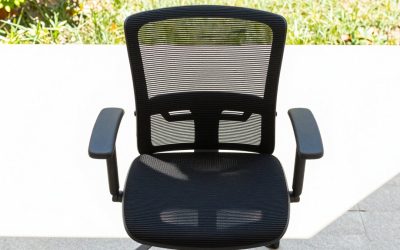
- Full mesh keeps the contact points cooler during long sessions
- Three-axis armrests and an adjustable headrest
- High backrest suits taller students
Cons:
- Reviewers note the armrests feel stiff and unpadded
- The seat is on the narrow side for wide hips
- Product weight is reported between about 43 and 49 pounds depending on source, so it is not a light chair
Branch Ergonomic Chair: best value all-rounder
The standard Branch Ergonomic Chair is the pick for students who want one chair to last through the whole degree. Branch lists a 275 lb capacity, a seat height of 17 to 21 inches, a 20-degree tilt range, 3D armrests that can be removed, a double-woven nylon mesh back and a 7-year warranty. Tom’s Guide has named it its best budget office chair overall, and reviewers generally recommend it for people between about 5 feet 3 inches and 6 feet 1 inch who sit five to eight hours a day. A headrest is available separately.
Who it is for: students who want a long warranty, a clean look and a broad adjustment range without moving into premium pricing.
Pros:
- Seven-year warranty is unusual at this tier
- Seat depth and armrest adjustments suit a wide range of builds
- Simple assembly and free shipping on the manufacturer site
Cons:
- Reviewers report that the seat cushion compresses after extended sessions
- The 275 lb weight limit is lower than several rivals
- Seat height tops out at 21 inches, which can feel low to students over 6 feet 2 inches
Hbada E3 Pro: best for tall students and recline
The Hbada E3 Pro 2026 Edition is built for larger or taller students who also want to lean back. Hbada states a 330 lb rating, a recommended height of 5 feet 1 inch to 6 feet 5 inches, a seat width of about 20.3 inches, seat depth that adjusts from 17.7 to 19.7 inches and seat height from 18.1 to 20.4 inches. It has three-zone adaptive lumbar support, a 4D headrest, 720-degree armrests and a four-level recline lock up to 140 degrees. The seat is Hbada’s CloudMesh and the base is steel with five casters.
Who it is for: tall students, students who read or take calls reclined, and anyone who wants a chair with substantial support for long study blocks.
Pros:
- Wide adjustment range, including seat depth and a tall backrest
- Deep recline suits reading and breaks
- Strong load rating for the tier
Cons:
- Older listings put the chair near 68 pounds, which is heavy to move between rooms
- Needs roughly 40 inches of clearance behind it for full recline, a problem in tight dorms
- Older reviews cite 300 lb, so confirm the current edition
Branch Verve: best for smaller and mid-height students
The Branch Verve is a lighter, more compact chair from the same company. The manufacturer lists a 275 lb capacity (user weight), a seat height of 16.5 to 20.5 inches, seat depth adjustable from 16.5 to 19 inches, removable armrests and a 20-degree tilt range. It is GREENGUARD Gold certified and recommended for users about 5 feet to 6 feet tall. It weighs around 40 pounds and measures roughly 27 by 27 inches.
Who it is for: students under about 5 feet 10 inches who find standard office chairs too tall and deep, and anyone who wants a softer, upholstered look in a dorm or bedroom.
Pros:
- Lower minimum seat height than many rivals
- Certified for low chemical emissions, useful in small rooms
- Choice of fabric colors that fit a bedroom setting
Cons:
- Armrests adjust in height only, according to one reviewer
- Not ideal for users over 6 feet tall
- Branch’s warranty table does not name the Verve explicitly, so confirm coverage at purchase
Steelcase Series 1: best buy-once chair for grad school and beyond
The Steelcase Series 1 is the chair for a student who already knows they will sit for years. Steelcase lists a 400 lb capacity, seat height of about 16.5 to 21.5 inches, seat depth of 17.75 inches and adjustable, and a choice of 3D Microknit back or Air Back with adjustable lumbar as standard. Arms can be 4D, height adjustable or omitted. Steelcase backs the chair with its limited lifetime warranty, described as 12 years of multi-shift, 24/7 parts and labor, and it carries BIFMA Level 3 certification. The chair weighs about 29 pounds, light for a premium model.
Who it is for: graduate students, students who sit for most of the day, and families who want a chair that survives resale or hand-down.
Pros:
- Lightest of the premium picks, so easy to carry
- Very high weight capacity and warranty
- Wide seat height range fits most students
Cons:
- Premium pricing is hard to justify for a single year of housing
- Fewer deep-recline features than gaming-style chairs
- Retailer listings occasionally show a 10-year warranty, so buy from an authorized seller and check the terms
Herman Miller Sayl: best for small frames and style
The Herman Miller Sayl suits students who want a chair that looks good in a studio apartment and fits smaller frames. Herman Miller lists a 350 lb weight capacity, a 12-year warranty, a seat height of 16 to 20.5 inches, seat width of 18 inches and seat depth of 16 to 18 inches. The suspension back is an elastomer design, the seat has a foam cushion in recycled polyester fabric, and arms can be none, fixed, height-adjustable or fully adjustable 4D. Adjustable lumbar is optional, so confirm that option is included in your configuration.
Who it is for: design, architecture and art students who sit for long studio sessions, and shorter students who need a seat that goes low.
Pros:
- Lowest minimum seat height among the premium chairs here
- Light, distinctive suspension back
- Strong warranty that covers mechanisms and casters
Cons:
- Lumbar is optional, so entry configurations may lack it
- Premium pricing and limited headrest support
- The suspension back is firmer than a conventional padded back, which some students find less cushy
Cost per year: a worked comparison
Price tiers hide the real cost of ownership. A simple way to compare is to divide the purchase over the expected years of use. Imagine a student who needs a chair for four years of undergraduate study and then keeps it for two more years in a first job. A budget chair that lasts three years before the foam flattens and the mechanism loosens must be replaced once during that period, so the student buys twice. A mid-range chair with a seven-year warranty, such as the Branch Ergonomic Chair, covers the whole six-year window with one purchase. A premium chair with a 12-year warranty like the Steelcase Series 1 or Herman Miller Sayl covers the window and still has years of resale and hand-down value. For a one-year exchange student or a short degree, the budget Sihoo M18 or M57 is the rational choice. For anyone staying six years or more, the cost per year of the warranted chairs tends to be lower even though the upfront outlay is larger.
Matching the chair to how you study
The way you work changes which features matter. A student who writes essays on a laptop for hours leans forward, so armrests that support the forearms and a seat that tilts forward slightly reduce shoulder strain. A student who reads long texts leans back, which makes recline range and a headrest worth having, and the Hbada E3 Pro and Sihoo M57 both cater to that. A student in an engineering or design program may alternate between a drafting table and a computer, so a lighter chair that rolls easily and a lower seat range, such as the Sayl, makes sense. Gamers who also study should check recline lock positions and the swivel stability of the base, since a five-point base with quality casters handles repeated spinning and shifting better than a thin base.
Shared rooms add another factor. If a roommate will also use the chair, choose a model with simple adjustments that can be reset quickly and a wide seat height range. Chairs with weight-activated tilt, like the Sihoo M18 and the Steelcase Series 1, self-adjust to each user and spare you from re-tuning a tension knob after every swap.
Setting up any ergonomic chair in five steps
- Set seat height first. Sit with feet flat and thighs level. If the desk is too high, raise the chair and add a footrest rather than slouching.
- Adjust seat depth. Leave two to three fingers of space between the seat edge and the back of your knees so circulation is not compressed.
- Position the lumbar support. Move it until it fills the curve of your lower back at about belt height, then fine-tune depth so it supports without pushing.
- Set the armrests. Elbows should rest lightly at about 90 degrees with shoulders relaxed. If the arms hit the desk, lower them or flip them up.
- Tune recline tension. Set the tilt resistance so the chair moves with you but does not tip you back unexpectedly, and use the tilt lock for upright work such as exam preparation.
Durability and ownership realities for student use
Student chairs face harder conditions than office chairs. Casters take damage from carpet tiles, pet hair and constant swiveling. Foam seats flatten first, followed by armrest pads. Gas lifts are the next failure point, particularly on cheaper chairs under heavy use. A few habits help considerably.
- Do not tip a chair onto its back for long periods without using the tilt lock, since the mechanism carries the load
- Vacuum the casters every few months to remove hair and thread
- Check bolts on the base and armrests each semester, because these loosen with use
- Keep the original packaging if the chair will be moved between homes
- Register the warranty on purchase, since several manufacturers require proof of purchase
Mesh seats should be wiped down with a damp cloth, not soaked, and fabric seats respond best to gentle vacuuming and spot cleaning. Avoid sitting cross-legged on mesh with sharp objects in your pockets, which can pull the weave. If you move often, loosen the headrest and armrests before transport so the adjustment arms are not bent in the car.
When a footrest or cushion beats a new chair
If your desk is a fixed height and slightly too tall, a footrest that supports the feet often solves the problem more cheaply than replacing the chair. Similarly, if your current chair is decent but flat, a lumbar roll adds support. These accessories are a bridge, not a substitute. If the chair has no seat height adjustment, no tilt and no armrest control, a better chair remains the right fix.
Frequently Asked Questions
What is the best ergonomic chair for a student on a tight budget?
The Sihoo M18 is the strongest budget choice because it includes a headrest, adjustable lumbar and a 330 lb rating in a compact frame. If you need a cooler seat, the Sihoo M57 adds a full mesh seat and back. Both are best for one to three years of heavy use.
Is an ergonomic chair worth it for a college student?
Yes, for most students who study more than three or four hours a day at a desk. Adjustable seat height, lumbar and armrests help you keep a neutral posture, and a chair with a long warranty can serve through graduate school and a first job. If you only study in short bursts, a basic chair with a seat cushion may be enough.
How do I know if a chair will fit my dorm desk?
Measure the clearance under the desk and compare it to the armrest height range and the chair footprint. Most of these chairs are 25 to 28 inches wide, and chairs with flip-up or removable armrests slide under the desk more easily. Check also how much room you need behind the chair, particularly for chairs like the Hbada E3 Pro that need about 40 inches of space to fully recline.
Should students choose mesh or cushioned seats?
Mesh is cooler and tends to hold its shape, so it suits warm rooms and long sessions. Cushioned seats feel softer at first but can flatten and run warmer over time. Chairs like the Sihoo M18 use a cushioned seat with a mesh back as a compromise.
Can a chair help with back pain from studying?
A well-fitted chair with adjustable lumbar support can make long study sessions more comfortable, but it is not a medical treatment. Regular breaks, movement and a properly set-up desk matter as much as the chair. If you have ongoing pain, speak with a healthcare professional.
How long should an ergonomic chair last?
Budget chairs commonly last two to four years of daily use, mid-range chairs with seven-year warranties often last longer, and premium chairs with 12-year warranties are designed for many years of multi-shift use. Actual life depends on weight, usage hours and maintenance.
Write Your Review
No reviews yet. Be the first to share your experience!