

Key takeaways
- Foam seats wear first. Expect softening after two to four years on budget chairs.
- Gas lifts are the most common failure on cheaper chairs; ask whether the cylinder is replaceable.
- Mesh can stretch or fray at the edges on low-end models.
- Re-adjust every few months. Posture and desk setups change, and so should the lumbar and arm settings.
- A good chair does not replace movement. Stand and walk briefly every 30 to 45 minutes.
The best office chair for back pain is the one that supports the curve of your lower spine at the exact height of your lumbar region, and for most people that means a chair with adjustable lumbar support, adjustable seat depth and a recline that stays supported. The Steelcase Leap is the most frequently recommended premium pick, the Branch Ergonomic Chair is a strong mid-priced choice, and the Sihoo M57 is a sensible budget starting point. This guide is general information, not medical advice, so see a doctor or physical therapist if your pain is severe or persistent.
Our top picks


As an Amazon Associate we earn from qualifying purchases at no extra cost to you.
Quick Comparison of the Best Office Chairs for Back Pain
| Pick | Best for | Lumbar system | Adjustments | Price tier |
|---|---|---|---|---|
| Steelcase Leap (V2) | Best overall | Adjustable height and depth lumbar, flexing LiveBack | 4D arms, seat depth, weight-activated recline | Premium |
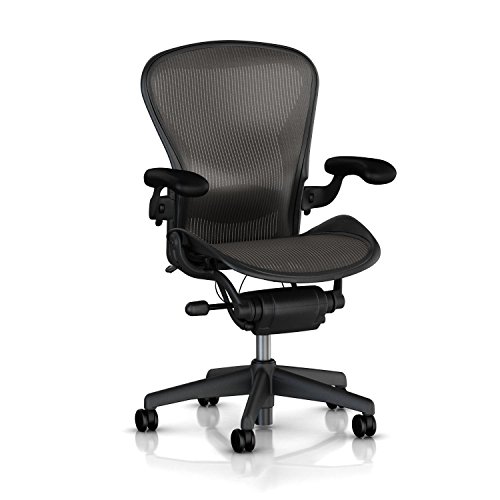
| Herman Miller Aeron | Best for warm rooms and long days | PostureFit SL pads (sacrum and lumbar) | Three sizes (A, B, C), tilt limiter, optional 4D arms | Premium |
| Steelcase Gesture | Best for varied postures and larger frames | Flexing back with adjustable lumbar | 360-degree arms, seat depth | Premium |
| Herman Miller Sayl | Best lighter-weight alternative | Suspension back with adjustable lumbar | Height, tilt, arms | Upper-mid |
| Branch Ergonomic Chair | Best value | Adjustable lumbar support | Seat depth, height, tilt, 3D arms | Mid-range |
| LiberNovo Omni | Best for powered lumbar | Motorised adjustable lumbar | Flexible backrest, recline | Upper-mid |
| Sihoo M57 | Best budget | Adjustable lumbar | Headrest, arms, recline | Budget |
Tiers are general market bands. Check price at the retailer before you buy, because ergonomic chairs are discounted often and many premium models also sell remanufactured.
Best Overall: Steelcase Leap (V2)
The Leap is the chair many ergonomists and reviewers name first for lower back discomfort. Its LiveBack design flexes along the length of the spine as you lean, and the adjustable lumbar support can be moved both in height and in depth, so the pressure lands where your lower back actually curves in. The seat depth slides to keep two to three fingers of space behind the knees, and the four-way arms let you drop your shoulders when you type.
Who it suits: people sitting five to eight hours a day who want one chair that fits most body types without much fiddling. Main trade-off: it costs more than most buyers expect, though Steelcase backs it with a long manufacturer warranty and the remanufactured market makes it more reachable.
Best for Long, Warm Days: Herman Miller Aeron
The Aeron’s Pellicle suspension spreads weight evenly and breathes, which matters if heat and sweat make you slouch. Its PostureFit SL back supports the sacrum and the lumbar curve with two adjustable pads, and it comes in three sizes (A, B and C), so a tall or petite user gets a better fit than with one-size chairs. Sizing is the thing to get right: per the manufacturer’s size chart, choosing by height and weight keeps the seat edge from pressing on the thighs.
Main trade-off: the firm suspension seat feels different from cushioned chairs, and a few people never warm to it. It is also a premium purchase.
Best for Varied Postures: Steelcase Gesture
The Gesture was designed around phones, tablets and laptops rather than just a desktop monitor, so its arms rotate and follow you through many postures. The back flexes with the spine and has adjustable lumbar support, and the seat is cushioned rather than suspended. Check the weight capacity on the manufacturer’s spec sheet if you are a larger user. Trade-off: it is bulkier than the Leap and sits in the same premium tier.
Best Lighter-Weight Alternative: Herman Miller Sayl
The Sayl uses a suspension back stretched over a frame, with an open look and adjustable lumbar support. It suits smaller rooms and people who want a mesh-style back without the Aeron price. Trade-off: it offers fewer fine adjustments than the Leap, and taller users may find the back stops short of the shoulder blades.
Best Value: Branch Ergonomic Chair
Branch is a direct-to-consumer brand with a clear feature set in the mid-range: adjustable lumbar support, seat depth and height, synchronised tilt and adjustable arms. It ships in a box and carries a multi-year warranty. For home offices that do not need commercial-grade mechanisms, it is often the sensible middle ground. Trade-off: the foam seat will compress over several years of daily use, and the lumbar range is smaller than on premium chairs.
Best Powered Lumbar: LiberNovo Omni
The LiberNovo Omni stands out because it uses a motorised lumbar system plus a flexible backrest, so you can change support without leaning over or hunting for a lever. If you shift positions through the day, that convenience is real. Trade-off: motors and electronics add parts that can fail, and the chair needs power to adjust. Read the warranty terms before buying.
Best Budget: Sihoo M57
The Sihoo M57 is a mesh chair with adjustable lumbar support, a headrest and adjustable arms at an entry price. For someone moving from a dining chair or a basic task chair, adding any adjustable lumbar support is a large step forward. Trade-offs: the mechanism, fabric and finish will not match a Steelcase or Herman Miller over a decade, and the lumbar range may not suit very short or very tall users. Treat it as a budget floor, not a forever chair.
How to Choose a Chair for Back Pain
Match the lumbar to your spine
Lumbar support only helps if it sits at your own lumbar curve, roughly at belt height for most adults. Adjustable height matters more than the amount of cushion. When you sit back, you should feel gentle contact in the small of the back, not a push.
Check seat depth with the fingers rule
Sit all the way back. A gap of about two to three fingers should remain between the seat edge and the back of your knee. If the seat is too deep for your legs you will perch forward and lose the lumbar support; if it is too shallow you lose thigh support.
Set the recline between 100 and 110 degrees
A slightly reclined posture reduces load on the lower spine compared with a rigid 90 degrees. Look for a tilt lock or tension control so the back supports you at your preferred angle instead of snapping upright.
Choose arm height to take weight off the shoulders
Arms that sit at elbow height while the shoulders are relaxed reduce neck and upper back strain. Adjustable height and width matter more than the pad material.
Foam versus mesh
Mesh breathes and conforms; foam gives a cushioned seat but can flatten. If your pain flares with heat or stiffness, a suspension seat like the Aeron may feel better. If you like softness, the Gesture or the Branch cushioning may suit you.
Decision Matrix by Situation
| Your situation | Choose | Reason |
|---|---|---|
| Sit 6+ hours daily, flexible budget | Steelcase Leap | Widest lumbar and seat adjustment, flexing back |
| Warm room, want a mesh-style back | Aeron or Sayl | Breathable suspension, three Aeron sizes |
| Home office, mid budget | Branch Ergonomic Chair | Core adjustments for far less money |
| Frequent posture changes | LiberNovo Omni | Motorised lumbar adjusts in seconds |
| Tight budget | Sihoo M57 | Adjustable lumbar at entry level |
| Larger frame | Steelcase Gesture or Aeron size C | Wider adjustment range and capacity |
Cost Per Hour: A Worked Example
A premium chair with a 12-year manufacturer warranty used 6 hours a day, 250 days a year, gives about 18,000 hours of use over 12 years. A budget chair that lasts 3 years gives roughly 4,500 hours. If you replace the budget chair three times over the same period, the cost per hour of use can end up comparable to the premium chair, and the premium model keeps its adjustment quality longer. That math only matters if you really sit for long periods; for under 3 hours a day, a mid-priced chair is usually plenty.
Ownership Realities
- Foam seats wear first. Expect softening after two to four years on budget chairs.
- Gas lifts are the most common failure on cheaper chairs; ask whether the cylinder is replaceable.
- Mesh can stretch or fray at the edges on low-end models.
- Re-adjust every few months. Posture and desk setups change, and so should the lumbar and arm settings.
- A good chair does not replace movement. Stand and walk briefly every 30 to 45 minutes.
Frequently Asked Questions
What features matter most in an office chair for back pain?
Adjustable lumbar support comes first, followed by seat depth adjustment, a supportive recline and arms that adjust in height. A chair without lumbar adjustment cannot be tuned to your spine, no matter how plush it looks.
Is mesh or cushioned better for lower back pain?
Neither is automatically better. Mesh breathes and keeps pressure even, while cushioned seats feel softer at first but may flatten over time. Choose the one that lets you hold a neutral posture comfortably across a full workday.
How much should I spend on an ergonomic chair?
Budget chairs can help if they have real lumbar adjustment, mid-range chairs add better mechanisms and warranties, and premium chairs mostly buy durability and a wider fit range. If you sit more than six hours daily, premium or remanufactured premium is worth considering.
Can a chair cure back pain?
No. A good chair can reduce strain from sitting, but pain has many causes. Talk to a doctor or physical therapist, especially if pain is severe, spreads into the legs or lasts for weeks.
How long should an office chair last?
Premium models often carry 12-year manufacturer warranties, while budget chairs commonly last two to five years of daily use. Gas lift, foam and arm pads are the usual wear points.

Write Your Review
No reviews yet. Be the first to share your experience!